
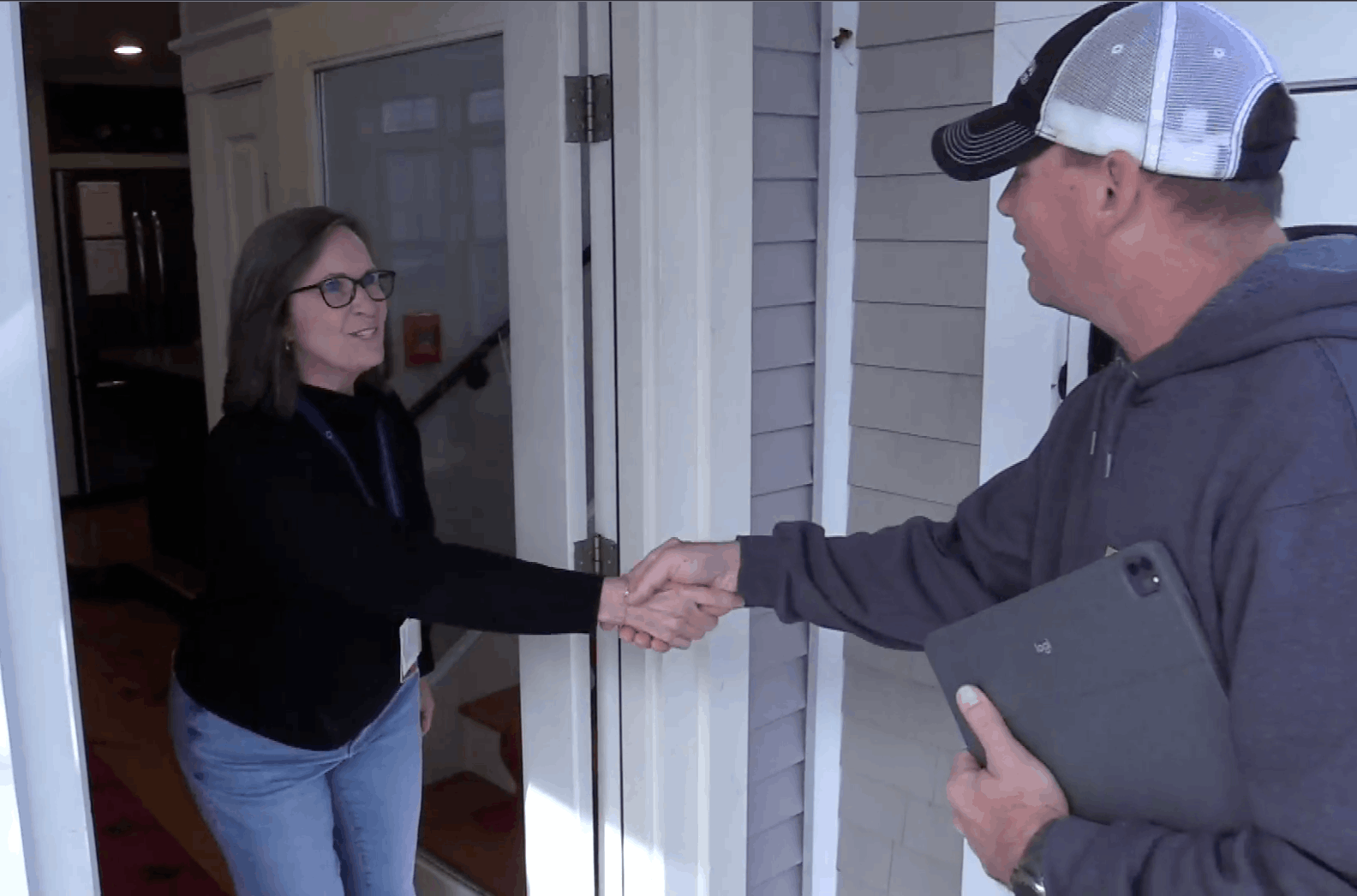
Why Accountability and Service Can Matter More Than Glass Quality
The Specs Matter. But So Does Who Measures, Installs, Services, And Owns The Result.
You've got some window quotes in front of you. Maybe two, maybe four. They all look reasonable on paper. Similar products, similar promises, similar price ranges.
Here's what none of them show you.
What happens when the crew finds rot behind the frame on install day.
Who calls you when something's off six months later.
Whether anyone is actually on the hook when things don't go as planned.
Or whether you're about to spend three weeks getting bounced between a manufacturer, a dealer, and a general contractor who's already moved on to the next job.
The window is the easy part. The company is everything.
What Most Window Quotes Don't Show You
Two quotes can look almost identical. Same window type. Similar pricing. Same general promises on paper.
What they don't show you is:
- who actually installs it — the company you signed with, or a general contractor they called last week
- who services it down the road
- who you call if something goes sideways and whether anyone answers.
A lot of companies are counting on you not to ask those questions. You don't find that out until the crew is gone and something needs attention.
Three Essential Questions That Separate Quality Window Companies
Before you compare one more spec, ask these:
- Who installs the windows? Is it the company you signed with, or an untrained third-party crew?
- Who services them later? If something needs adjustment or warranty work, who shows up — and how fast?
- Who owns the outcome? Is one company clearly on the hook, or will you get bounced between parties?
Once you start asking, the quotes stop looking the same. Some companies answer straight. Some get vague fast. Pay attention to that. It matters more than which glass package you picked.
Why Some Homeowners Choose A Single-Company Model
Some people don't want to manage multiple parties or figure out mid-project who's responsible. They want one company, from the first measurement through the day the job is done and beyond.
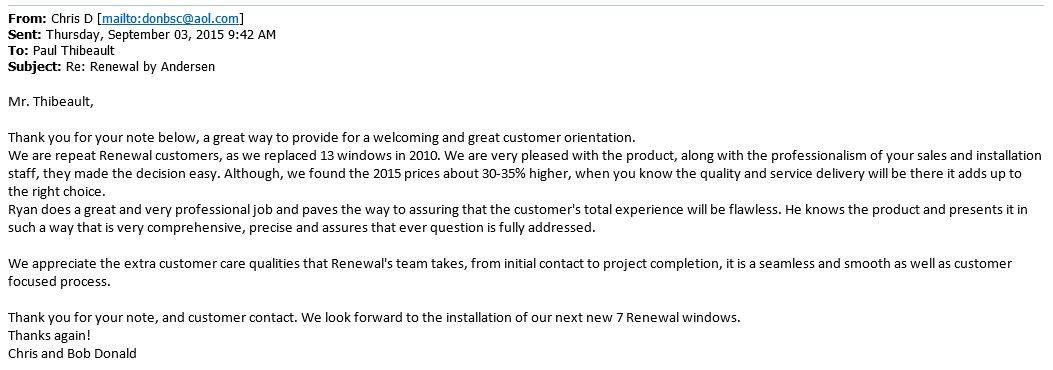
That's how Renewal by Andersen is set up. Same company sells it, owns the installers, and services it.
There's a sticker on every window with a serial number. Call it. They know your house and what it takes to make it right.
If that's the kind of experience you're looking for, we'd be glad to show you what it looks like in your home.
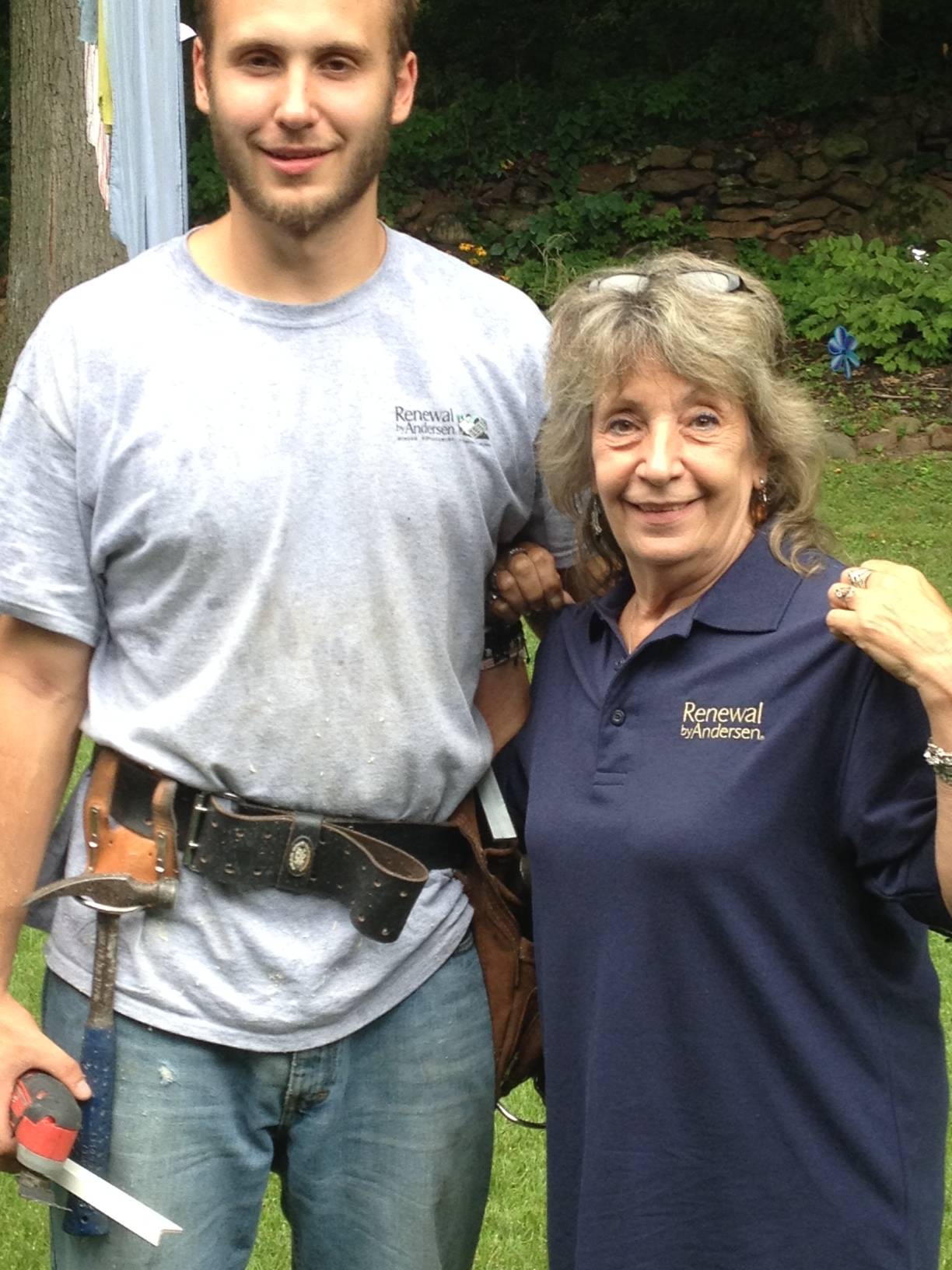
Why Window Projects Go Wrong (And It's Usually Not the Window)
No two homes are the same. Your walls might have decades of moisture damage. There could be rot around a frame nobody could see until the old window came out. The rough opening might be out of square. Every house has its own history and its own surprises.
Installation is not a perfect science. Unexpected things happen — rot that wasn't visible during the pre-measure, framing that needs attention, materials sourced on the fly.
What separates a good experience from a bad one isn't whether something comes up. It's whether the people responsible for your home are prepared to handle it. That's a process question. A people question. Almost never a window question.
And that's where the structure of the company matters.
General laborers carry a bad reputation for a reason.
When something unexpected happens on-site, who makes the call?
How does that get communicated to you?
What happens after the last truck leaves?
The answers to those questions are decided before anyone shows up, based on how the company is built.
Behind The Glass With Jared Brubaker
Renewal by Andersen
Fogging glass is one of the most common issues we see, and it’s almost never the glass. It’s a seal failure caused by a frame that expands and contracts with temperature.
Vinyl does that. Fibrex® material at Renewal by Andersen doesn’t, which means fewer failures and fewer calls back to your house. When the material holds, the accountability conversation gets a lot shorter.
The Fragmentation Problem in Window Installation: Why Split Responsibility Leads to Accountability Gaps
Here's what's actually going on when a window project goes sideways. It's not the window. It's the way the industry is built.
How Most Window Projects Are Structured
A manufacturer makes the product, a dealer sells it, a separate contractor installs it, and if there's ever a service issue, you're calling a support line to figure out who handles what.
Four separate entities. Zero unified accountability.
Why This Structure Breaks Down
he manufacturer points to the installer, the installer points to the product, the dealer is already on to the next sale, and the service line doesn't have the context to move fast.
The installer got paid when the job was done. He's not coming back to diagnose a hardware issue for free.
The manufacturer warranties the product, not the labor.
The dealer made their margin and moved on.
What This Looks Like for Homeowners
You feel it as finger-pointing.
You call about a seal failure and get transferred.
You call the manufacturer and get sent back to the installer.
You call the installer, and he's not sure he even services that area anymore.
This is a situation we hear regularly. And sometimes it's worse — some homeowners have had contractors go out of business mid-project, leaving them with half-installed windows and no one accountable.
When Nobody Is Responsible: How Fragmented Window Projects Create Finger-Pointing and Unresolved Issues
By the time most people realize nobody owns their outcome, they've already spent weeks telling their story to people who can't fix it.
You need windows for the rest of the house, and you're back at square one, except now you've lost money, time, and trust in the entire industry.
This is not a worst-case scenario. This is a pattern.
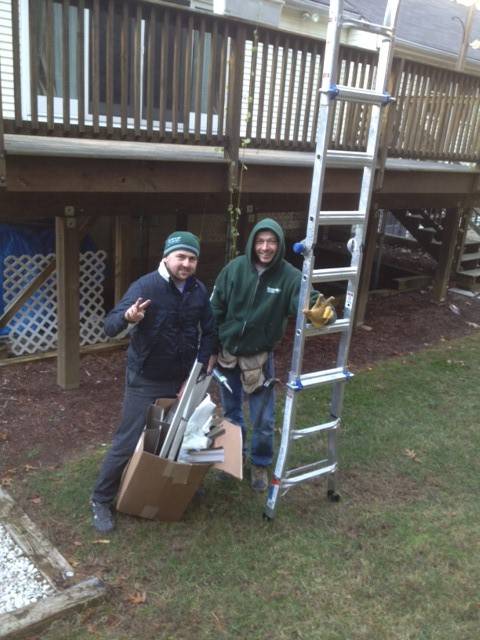
The "With Love" Philosophy (What It Actually Means)
When we started saying we do business with love, some people thought we were out of our minds. Turns out it works.
It's Not A Tagline — It's An Operating Standard
"Doing business with love" sounds like a feel-good line. When Esler Companies, the largest privately owned Renewal by Andersen affiliate in the nation, first started using it, people weren't sure what to make of it.
What it means in practice: treat you like we'd treat our own grandmother. Not like a transaction. Like a person who trusted us to show up at their home and do the job right.
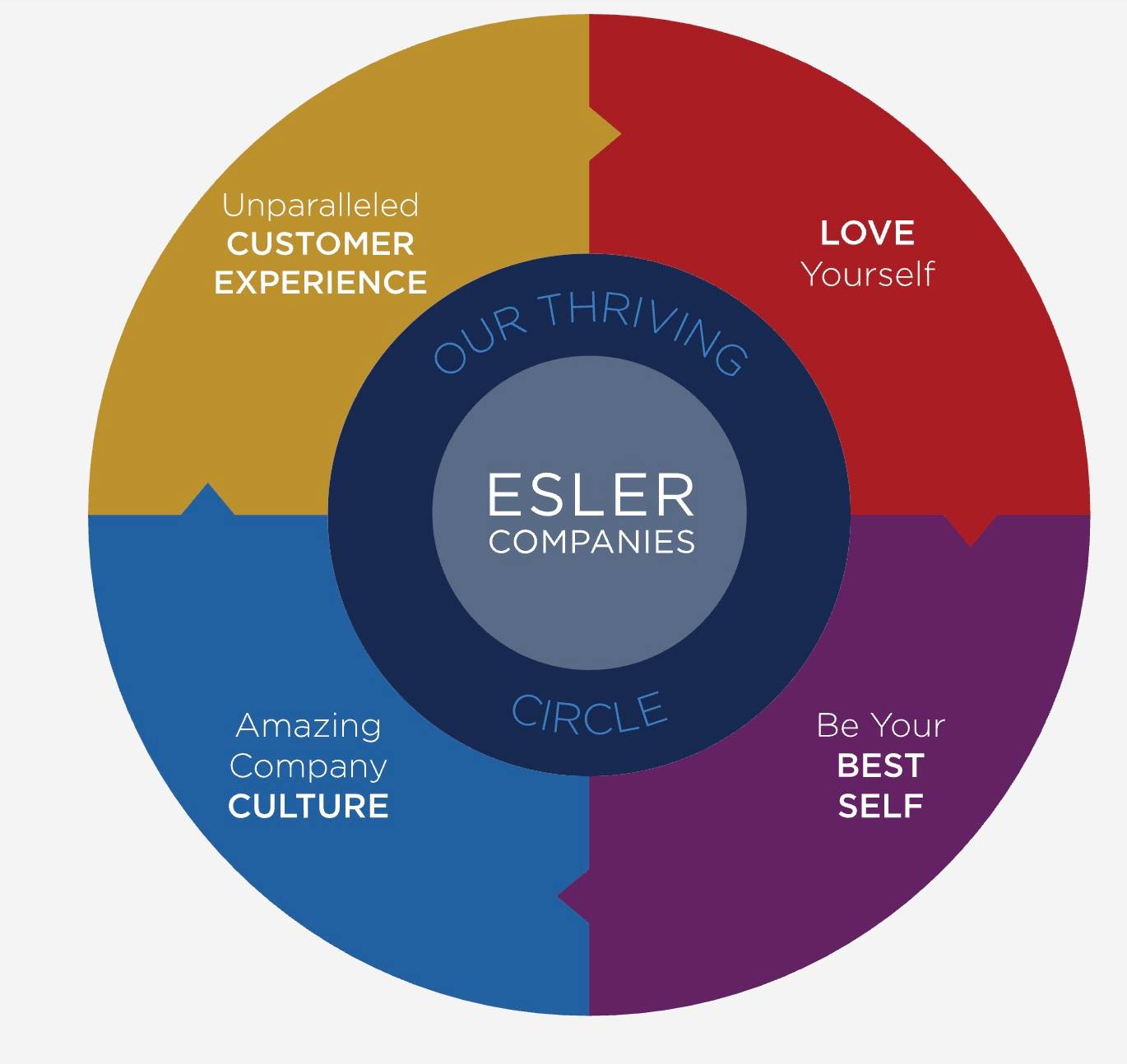
The philosophy is built on what Esler Companies calls the Thriving Circle: you have to love yourself before you can love your teammates, and you have to love your teammates before you can genuinely take care of a customer. The customer experience isn't the starting point. It's the outcome of everything that comes before it.
That standard runs from the first phone call to the final walkthrough. Anyone who touches your experience is held to the same bar.
Real World Example: A couple, both born in Italy, in their home for decades, had been dealing with windows that were never right since the mid-90s. Multiple contractors told them the windows weren't the problem.
One convinced them to add 12 inches of attic insulation, which buried the soffit ventilation and created enough humidity the Project Consultant called it "enough for a mushroom farm." Still wrong.
When a Renewal by Andersen team member came in, they found the actual problem, fixed it, and made the couple feel heard. On the way out, the Project Consultant hugged the customer, a salty, 70-something man. He hugged back.
That's what happens when people actually care about the outcome.
What Accountability Looks Like Behind The Scenes
Here's what that actually looks like on the ground:
Before Installation → During Installation → If Something Goes Wrong → After Installation
Before Installation
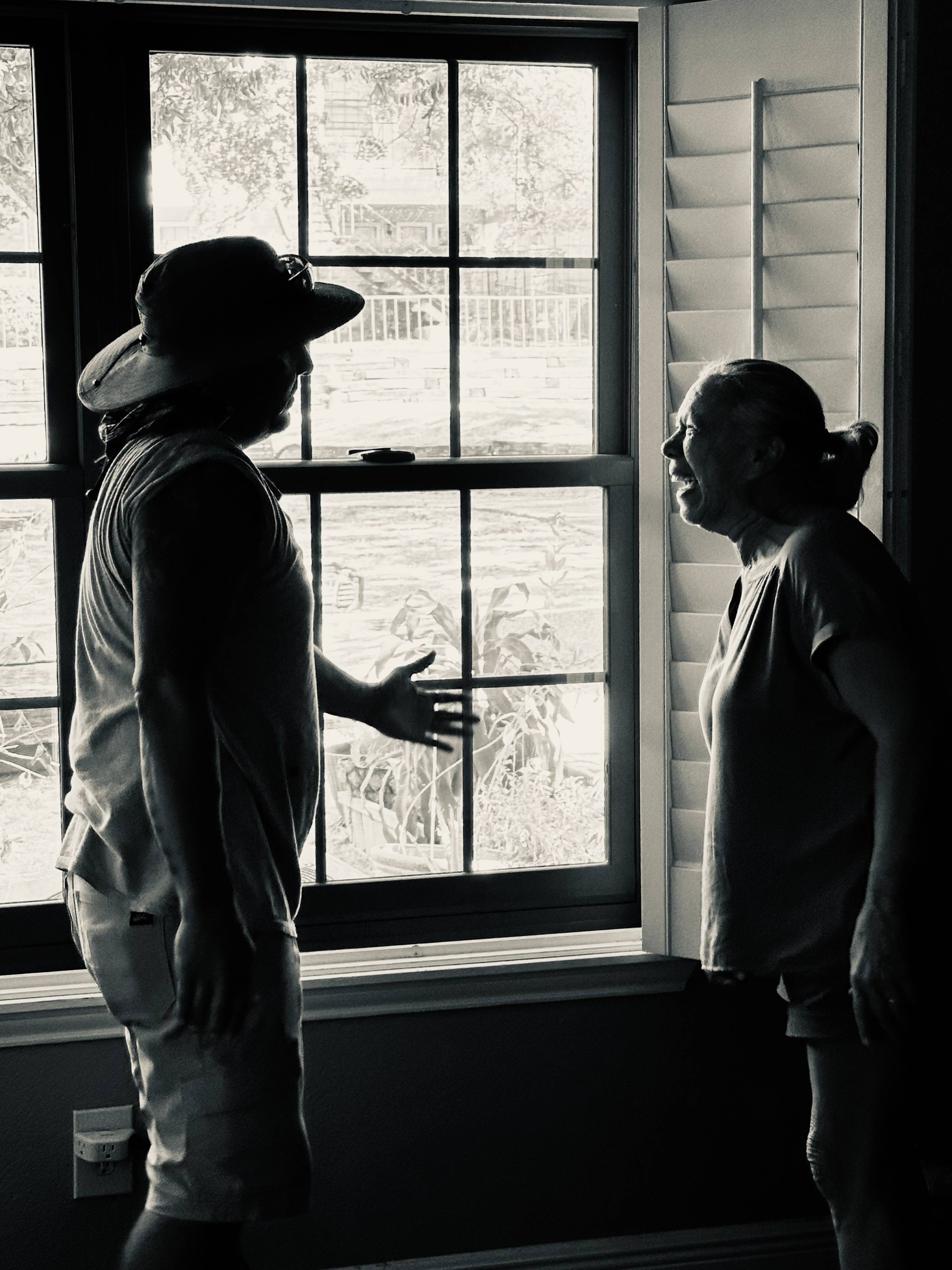
Before anyone picks up a tool, your installer knows your situation. There's a real conversation before install day, not a quick hello, about what matters to you, what you're worried about, and what to expect. Pets that need to be secured, rooms to prioritize, access concerns.
Your expectations are set. The team arrives prepared, not guessing.
During Installation
The day starts with a walkthrough. The first window goes in, and before the crew moves through the house, you confirm it looks and functions the way you expected. That single step catches misalignments early, before they become a pattern across twelve windows.
If something unexpected turns up, rot behind the frame, framing that needs attention, you hear about it directly. Nothing gets covered up. The solution gets worked out, and work continues.
When Something Goes Wrong
There's a defined escalation process — a clear chain of responsibility, a path to resolution. Nobody improvises.
One of Renewal by Andersen's core metrics is first-time completion rate: did the job get done right the first time, without a return visit? That number creates real pressure to get it right on the day we’re there.
After Installation
The job isn't done when the last window goes in. There's a post-install walkthrough where you review the work together, and a follow-up survey afterward.
The Green Diamond Award, given to roughly the top 10% of Renewal by Andersen offices based on an 85% installation approval rating, exists because the organization actually measures this.
That's a culture signal.
And sometimes "with love" shows up in ways nobody planned.
Real World Example: During one installation, a crew noticed a hole in a bedroom door from a gunshot that had come through from a neighbor's unit. The customer had been living with it for a year.
The installers offered to donate their time to hang a new door. Renewal by Andersen covered the cost of the door. Nobody asked them to.
The Customer Service Manager put it plainly: "The best thing is this has nothing to do with selling more product. It's just the right thing to do."
That's the standard. Most of the time, it shows up in preparation and follow-through. Occasionally, it shows up like that.
Behind The Glass With Jared Brubaker
Renewal by Andersen
The person who measures your windows and the person who installs them are not the same person, and that’s intentional.
At Renewal by Andersen, measure, install, and service each have dedicated specialists. Different skills, different training, different accountability.
You’re not paying for one generalist doing everything adequately. You’re paying for the right person at each step.
| Installed | Taken Care Of |
|---|---|
| Windows are in. Job is done. | Accountable before, during, and after. |
| You manage follow-up yourself. | One call. They handle it. |
| Issues get covered up or passed off. | Surprises get surfaced and solved. |
| No clear path back if something fails. | Every window has a sticker: serial number, hotline, direct resolution. |
Why This Matters More Than Product Specs
You can win every spec comparison and still end up replacing your windows in ten years. Here's why.
What Most People Compare
Glass packages, U-factor ratings, frame materials, warranty terms. Those things matter, but most reputable manufacturers compete in a similar range on all of them.
What doesn't show up in a spec sheet is who installs it, who services it, and who picks up the phone two years from now.
One thing worth knowing: we removed Renewal by Andersen windows installed 30 years ago, brought them back to the factory, and tested them. Still in excellent condition. Most builder-grade vinyl fails at 7 to 12 years. That gap isn't marketing. It’s materials and installation working together correctly over time.
What Actually Drives Results
What decides if you're happy two years from now is:
- whether the windows were installed correctly
- whether the company responds when you call
- whether someone owns the outcome.
When any of those break down, people end up replacing windows twice. The installation quality wasn't there, service fell apart, and nobody was accountable. The upfront savings evaporate entirely.
A window installed without proper rot remediation will fail again. A seal that wasn't set right will fail again. Issues covered up surface eventually — out of warranty, your problem to solve.
That's the cost nobody puts in the estimate.
Behind The Glass With Jared Brubaker
Renewal by Andersen
Your Renewal by Andersen windows don’t exist until you order them. Most competitors work from warehouse stock or size brackets—closest fit, make it work.
Ours are manufactured to the exact dimensions of your opening after your order. A window that fits precisely seals better, installs cleaner, and puts less stress on the frame over time.
How To Evaluate Accountability Before You Buy
Before you sign anything, ask these directly. The answers will tell you everything.
| Question | A good answer sounds like… | A red flag sounds like… |
|---|---|---|
| Who actually installs the windows? | "Our own trained installers. We manage them directly." | "We work with certified local contractors." |
| Who services if something goes wrong? | "The same company. You call us, we handle it." | "Warranty claims go through our service department." |
| Is labor covered under your warranty? | "Yes, product and labor, both." | "The manufacturer covers the product." |
| What happens if something unexpected comes up during install? | "We document it, talk to you, and work through it together." | "We'll do our best to handle it." |
| How do I reach someone six months from now? | A direct number, a name, a clear process. | A general 1-800 number and |
Vague answers aren't random. They're the shape of a company that's already planning its handoff.
What Makes Renewal By Andersen Structurally Different
Most of what we've covered so far is a problem. This is the answer.
One Company Owns The Outcome
Renewal by Andersen doesn't hand off your project to a separate install company and a separate service entity.
Product, installation, and ongoing service all sit under one roof.
No manufacturer pointing to the installer.
No installer shrugging at the dealer.
One company made the window, put it in, and is responsible for it.
Why That Changes The Experience
When something comes up, and sometimes things do, there's no question about who handles it. You call, the right person responds, the path to resolution is direct.
This is also why it makes sense as a one-time investment. The windows go in correctly, they're serviced by the same company that installed them. And you don't re-enter the market in three years because the first installation failed.
Most people don't think about that until they're buying windows for the second time.
Behind The Glass With Jared Brubaker
Renewal by Andersen
“Lifetime warranty” usually means 7–10 years in the fine print, with labor excluded.
Renewal by Andersen’s warranty is reviewed by engineers and attorneys. It says what it means.
And the company has been around since 1903, family-owned, not publicly traded, and not private equity. When you call that number on the sticker ten years from now, someone answers.
Why "With Love" Matters In Real Terms
Eight years ago, "doing business with love" was an uncomfortable phrase for a home improvement company. It sounded soft.
What it turned out to be was accurate.
It means every person who touches your experience treats you like someone making an important decision about their home — not a lead to close or a job to complete.
The installer communicates with you instead of working around you. Problems get surfaced and solved, not papered over.
In an industry where nobody really owns the whole job, and companies often check out once they're paid, "with love" means you're taken care of the whole way through.
It's a culture that drives customer satisfaction scores comparable to Apple and Mercedes, and it's what makes people recommend their window company to a friend, something almost nobody does.
Reframing Your Window Decision: Why Accountability Matters More Than You Think
You've probably been thinking about this as a window purchase. A product decision.
It's not.
It's a decision about who you're inviting into your home and whether they'll treat you like a person or a transaction.
The window matters, but what matters more is whether the company behind it shows up prepared, tells you the truth when something unexpected comes up, and is still reachable two years from now.
That's what "with love" means in practice. Not a feeling. A way of operating. One that starts with how teammates treat each other and ends with how you feel long after the last window goes in.
Most companies aren't built that way. It's worth knowing which ones are before you sign anything.
See What This Looks Like In Your Home
When we come out, we're not there to sell you something. We're there to understand your home, give you an honest picture of what the project involves, and make sure you have everything you need to make the right call, whether that's with us or not.
That's the "with love" standard applied to the very first conversation. No pressure. No runaround. Just a straight answer from people who take that seriously. Sound good to you? Contact us and let’s get started.
Schedule a Consultation