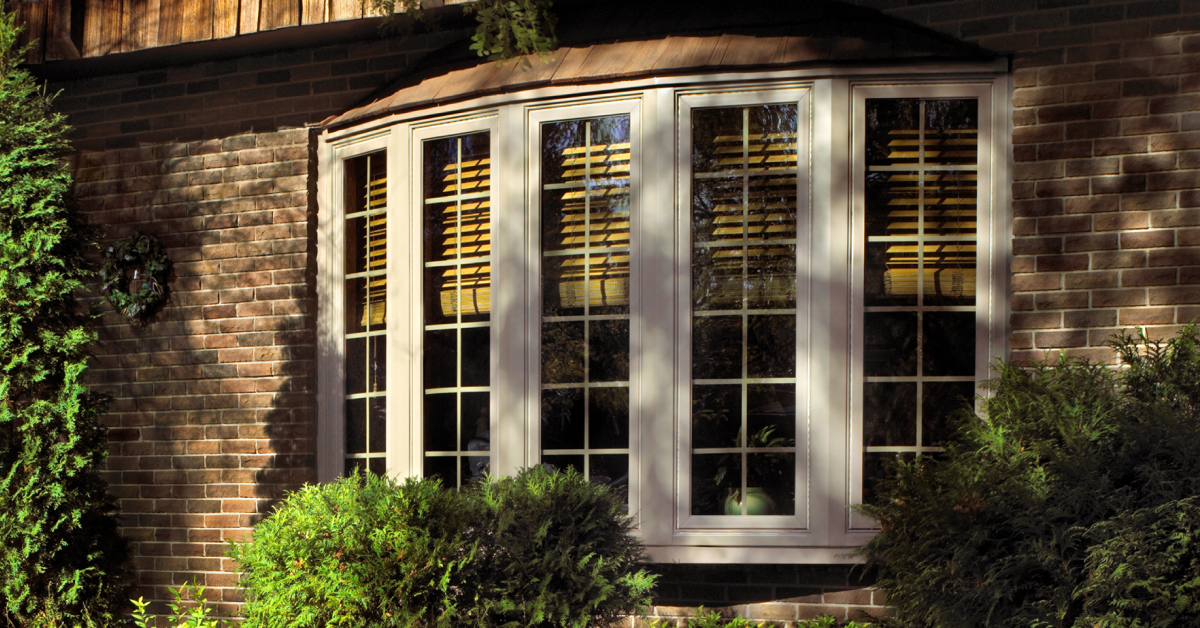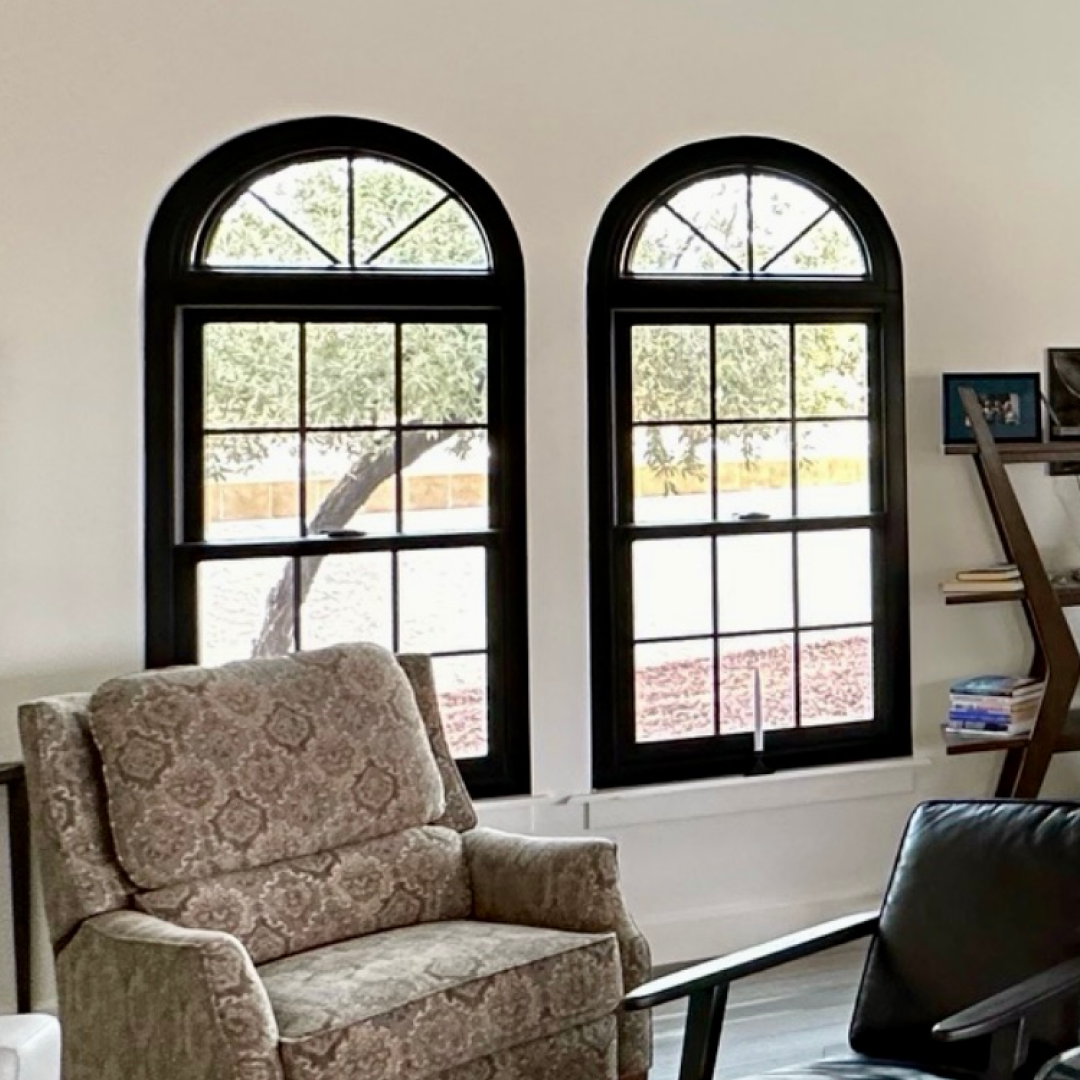
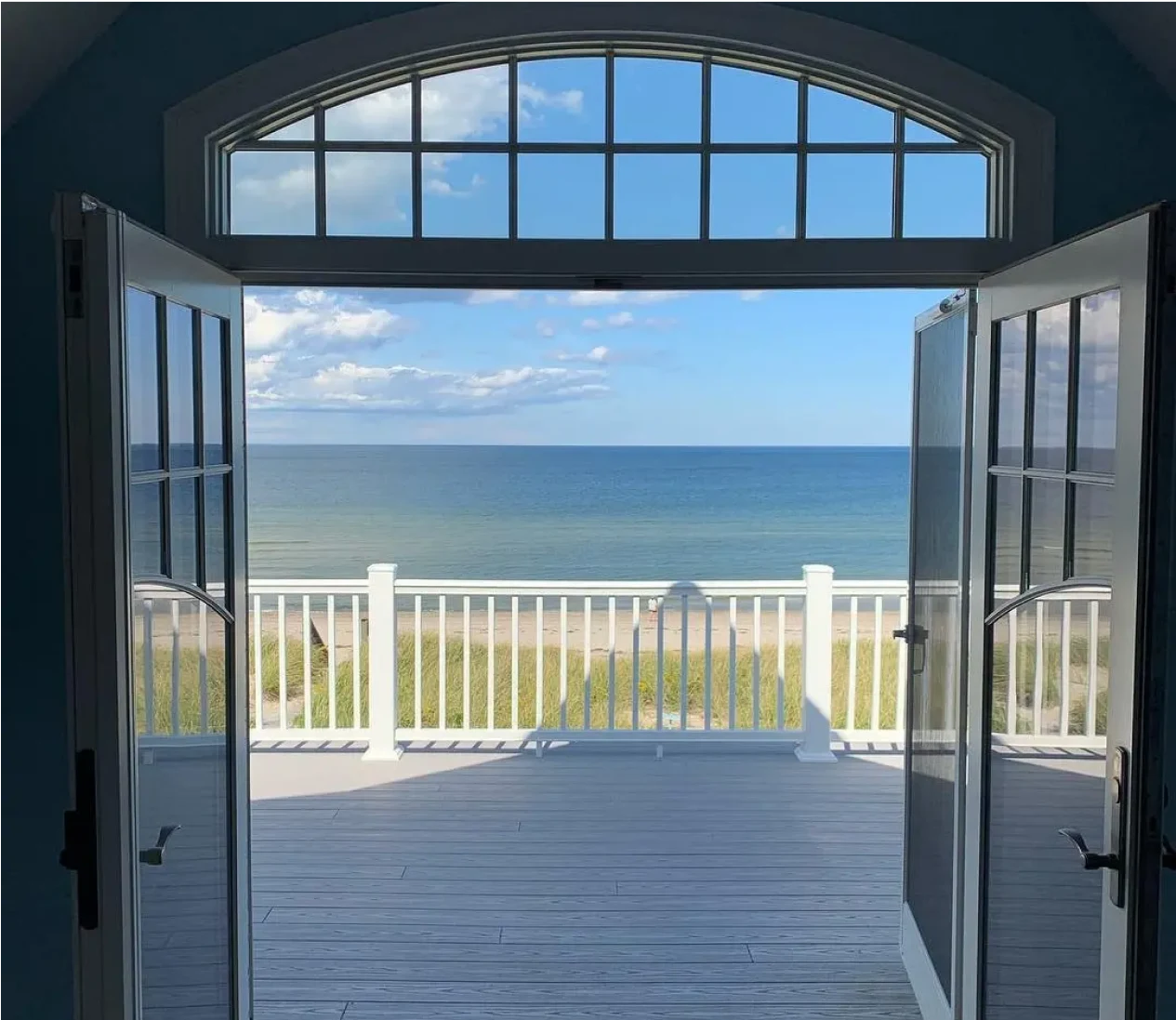
Living along the coastline of Fairfield County offers breathtaking views of the Long Island Sound and a unique lifestyle, but it also presents a distinct set of challenges for your home. From the salt-laden air in Greenwich to the intensifying nor’easters battering Westport, coastal homes face a complex performance landscape. When it comes time to replace your windows, standard solutions often fall short.
For homeowners in Connecticut and surrounding coastal New England markets, the decision to replace windows is about more than just curb appeal; it is about fortifying your home against salt corrosion, freeze-thaw cycles, and high-wind events. This guide explores the critical performance metrics and material considerations necessary to choose replacement windows that deliver long-term value and protection in our demanding coastal climate.
How do I choose replacement windows for coastal salt air environments?
The primary adversary for any coastal home is salt air. For homeowners in towns like Greenwich or Darien, particularly those within two miles of the Long Island Sound, salt crystallization can accelerate the degradation of standard window materials. When selecting replacement windows, you must prioritize materials that are inherently resistant to corrosion.
While aluminum frames have been a traditional choice, they require specialized anodizing and thick coatings to survive without pitting. In contrast, Renewal by Andersen’s exclusive Fibrex® material offers a superior solution. It combines the strength and stability of wood with the low-maintenance features of a polymer, meaning it will not rust, pit, or corrode. This makes it an ideal choice for coastal replacement projects where long-term durability is non-negotiable.
What NFRC ratings do I need for Connecticut coastal windows?
Understanding National Fenestration Rating Council (NFRC) ratings is essential for optimizing comfort. In Fairfield County, we experience significant freeze-thaw cycling—where temperatures fluctuate above and below freezing repeatedly throughout the winter. This expands and contracts materials, stressing seals and joints. To combat this, look for:
- U-Factor: Measures how well the window prevents heat from escaping. In our climate zone, a U-Factor of 0.27 or lower is recommended to minimize heat loss during cold winters.
- Solar Heat Gain Coefficient (SHGC): A balanced SHGC is vital to capture some solar heat in winter without overheating in summer.
- Condensation Resistance (CR): High humidity in Rhode Island and Connecticut coastal areas makes a high CR rating essential to reduce moisture buildup on the interior glass.
Do I need impact resistant windows in Fairfield County Connecticut?
Recent climate research indicates that nor'easters along the East Coast are becoming more intense. For homeowners in Fairfield County, particularly those near the water, the choice of Design Pressure (DP) and impact resistance is critical.
According to regional building codes (such as the 07-16 code) for areas like New London or Greenwich with extreme exposure, a minimum of DP +/- 30 is often required. However, for homes situated directly on the coast, we strongly recommend upgrading to a DP 50 rating and considering Stormwatch® protection. These units feature structural reinforcements and impact-resistant glass designed to withstand higher wind loads and windborne debris, protecting your home’s envelope during severe weather events.
What window frame material resists salt air corrosion best?
The longevity of your window replacement project depends heavily on the frame material. Traditional wood frames are susceptible to warping and rot when exposed to chronic moisture. Standard vinyl frames often lack the structural rigidity needed for large coastal expansive glass under high wind loads.
Fibrex® material stands out as the optimal choice for this region. It is engineered to resist salt spray and extreme temperature swings. Unlike wood, it requires no painting or scraping. Furthermore, for homeowners in historic districts like New Canaan or Westport, Fibrex® material can be crafted to mimic the architectural details of original wood windows, ensuring compliance with design review boards without sacrificing modern durability.
How important is professional installation for coastal windows?
Even the highest-rated coastal window will fail if it is not installed correctly. In the coastal markets of Connecticut and Massachusetts, water management is the most critical aspect of installation. Professional installation ensures that the window opening is sealed against drafts and moisture, which is vital for maintaining interior comfort. While window performance is a key part of your home's thermal envelope, it is important to remember that broader issues like ice dams are typically caused by attic insulation and ventilation deficiencies rather than the windows themselves.
A professional replacement project involves choosing the right method for your home’s specific needs:
- Full-Frame Installation: This "envelope-wide" approach goes down to the rough opening. It includes proper flashing to integrate the window with the home’s drainage plane and marine-grade sealants to withstand salt exposure.
- Insert Installation: In many cases, we can perform an "insert" or "pocket" installation. This involves inserting the new window unit directly into the existing master frame of the home. This method is efficient, preserves existing interior and exterior trim, and does not require going down to the rough opening or adding new flashing.
By choosing a full-service replacement company like Renewal by Andersen, you ensure that the installation quality—whether full-frame or insert—matches the product quality, safeguarding your investment against the unique rigors of coastal weather.
If you are ready to upgrade your home with windows designed to withstand the New England coast, contact Renewal by Andersen today to schedule your free in-home consultation.