Understanding Window Anatomy: A Comprehensive Guide to Frames and Panes
Homeowners across Renewal by Andersen’s service areas—from the arid heat of Phoenix to the coastal humidity of Cape Cod—face distinctly different challenges when evaluating replacement options. A window is more than just a sheet of glass; it is a complex system of engineered components designed to work together to protect your home.
The Foundational Architecture of Modern Windows
Understanding the core components of a window helps you communicate effectively with your Project Consultant during your replacement project.
- The Frame: The structural skeleton anchoring the unit to your wall. It includes the head (top), jambs (sides), and sill (bottom).
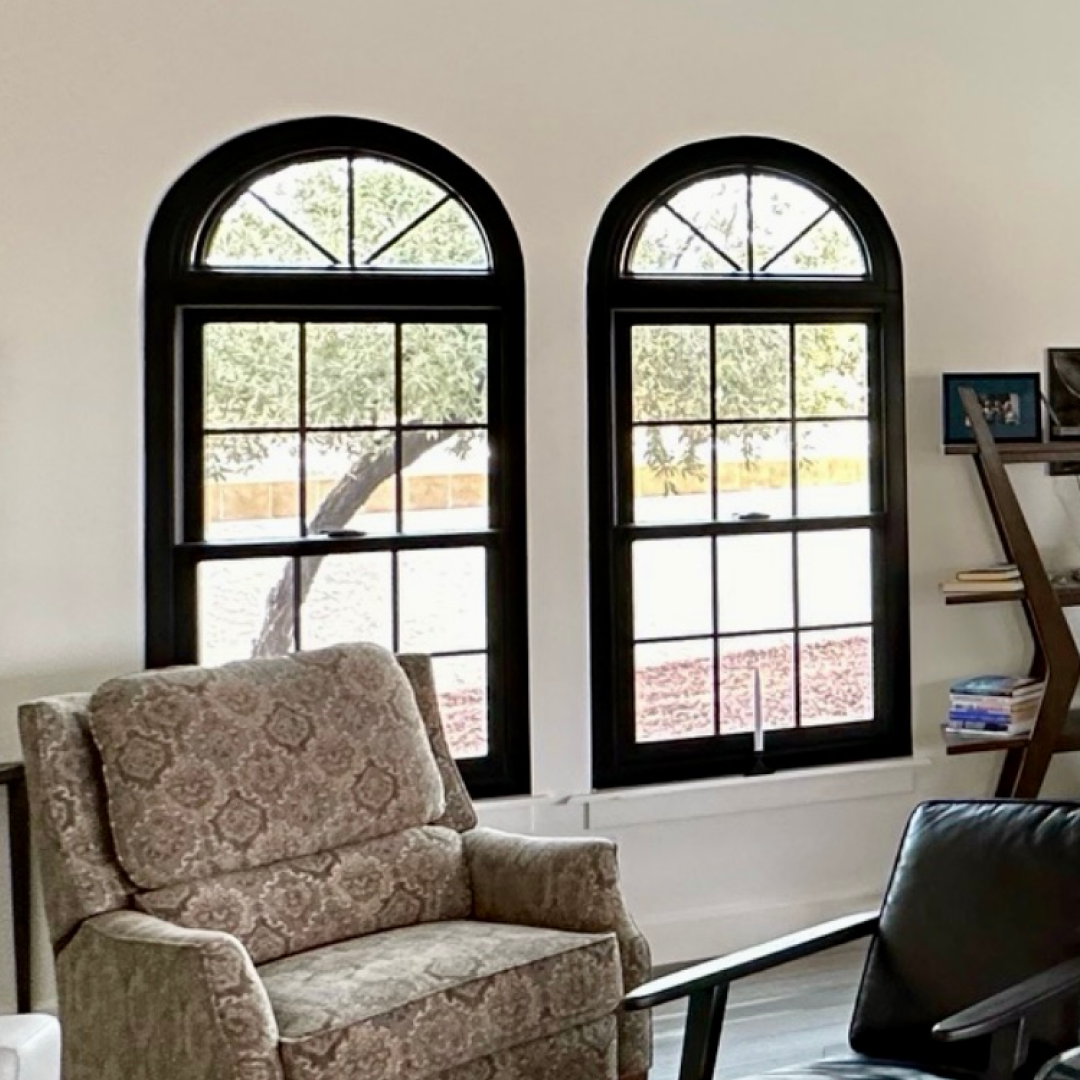
- The Sash: The part of the window that holds the glass. In operable windows like double-hung or casement styles, the sash is the moving part. Its rigidity is vital for a weather-tight seal.
- Glass (Glazing): Modern replacement windows feature dual-pane or enhanced glazing systems filled with inert gas (like argon) to reduce heat transfer.
- Hardware: Includes locks, cranks, and handles. High-quality hardware is essential for security and ease of use, particularly in high-use areas.
Frame Materials: Regional Performance Implications
The material you choose for your window frame is the most significant factor in longevity.
- Coastal Challenges: In Northeast markets like Rhode Island and Delaware, traditional wood frames often struggle against salt air and moisture.
- Desert Extremes: In Phoenix and Las Vegas, standard vinyl frames can soften and warp under extreme heat, where surface temperatures can exceed 170°F.
Renewal by Andersen utilizes Fibrex® material, a proprietary composite that combines the strength of wood with the low-maintenance features of polymer. In Colorado’s high-altitude markets, this material provides the rigidity to withstand dramatic temperature swings without the expansion and contraction issues common in vinyl.
Enhanced Glazing Systems and Pane Configuration
Replacing single-pane windows with modern dual-pane or enhanced glazing systems is a primary driver for energy efficiency.
- Dual-Pane: The standard for most replacements, offering a balance of insulation and visibility.
- Enhanced Glazing Systems: These provide superior insulation and are particularly effective for sound dampening in urban areas like Dallas or Philadelphia.
- Low-E Coatings: Microscopically thin metallic layers applied to the glass to manage heat. Our SmartSun™ Glass is ideal for the Southwest, blocking solar heat gain without darkening the room.
Regional Climate Challenges and Material Performance
- The Southwest (AZ, NV): Intense UV radiation requires materials that are UV-stable and heat-resistant to prevent seal degradation.
- Rocky Mountains (CO): High altitude affects the pressure within glass units. Windows installed in Denver often require capillary tubes to equalize pressure—a detail standard "sea-level" windows often miss.
- Northeast Coast (New England, NJ, DE): Salt spray is highly corrosive. Composite materials like Fibrex® that do not corrode or rot are essential for these maritime environments.
Specialized Window Types and Component Requirements
Beyond standard windows, specialized shapes require specific engineering:
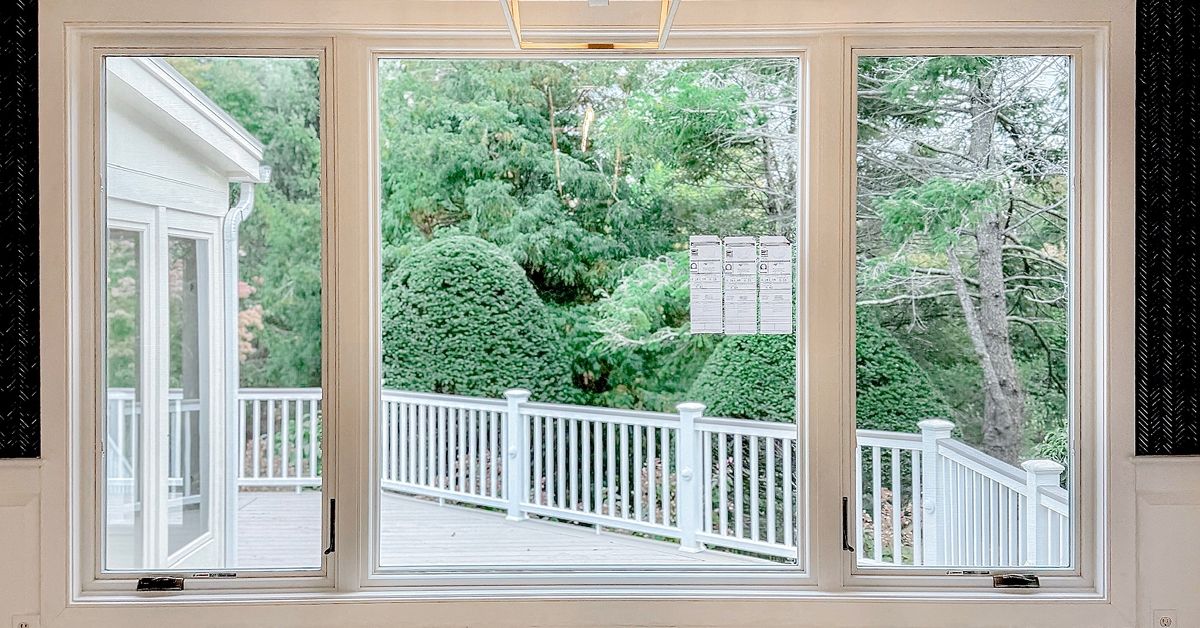
- Picture Windows: Since they do not open, they are highly energy-efficient. Fibrex® material provides the structural strength to support large, heavy glass panes without sagging.
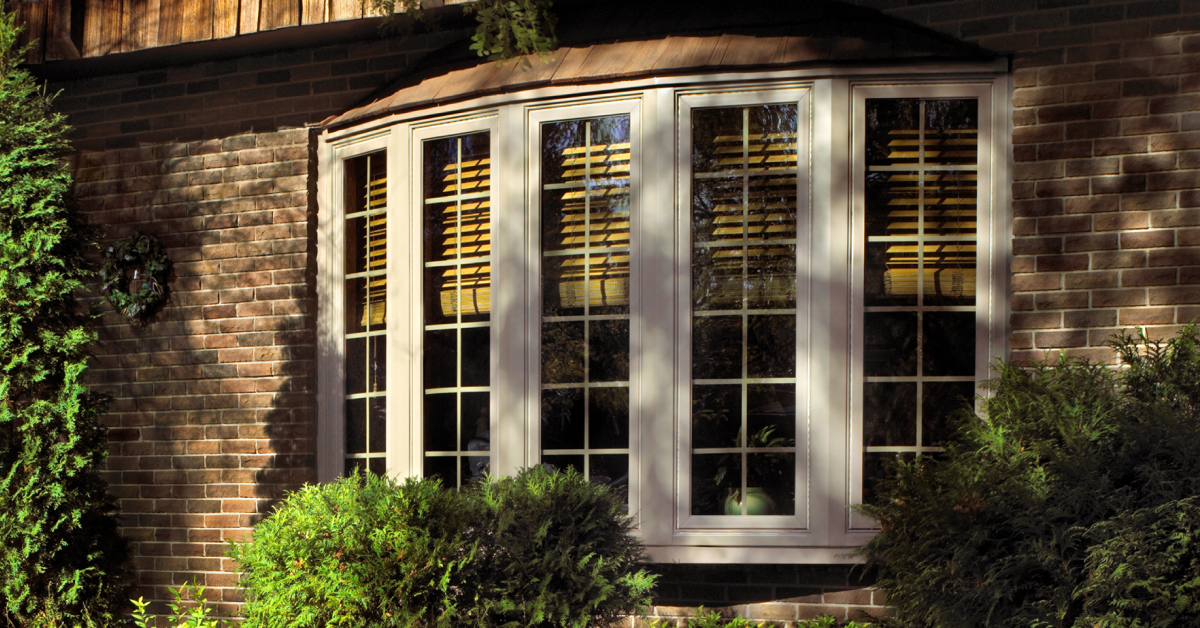
- Bay and Bow Windows: Unlike many competitors, Renewal by Andersen projection windows do not require external knee braces for support. Our advanced cabling system is secured in a way that provides full structural integrity. While some homeowners choose knee braces for a specific aesthetic look, they are not a functional necessity for our units.
Installation and Longevity
Even the best components will fail if installed incorrectly.
- Coastal Installation: In Rhode Island and Cape Cod, proper flashing systems are critical to prevent wind-driven rain from entering the wall cavity.
- Weatherstripping: In dusty Arizona, weatherstripping keeps grit out; in humid Houston, it keeps moisture out.
- Frame Maintenance: Unlike wood that needs painting, Fibrex® material resists rot and decay, requiring minimal maintenance whether you live in the damp Northeast or the dry Southwest.
Understanding the anatomy of a window empowers you to look beyond the glass and evaluate the engineering that protects your home.
Ready to design the perfect replacement solution for your home? Contact Renewal by Andersen today to schedule your free consultation with a Project Consultant.