When homeowners begin the process of replacing their existing windows in 2026, the decision often begins with a fundamental question regarding cost versus long-term value. It is completely natural to weigh the initial investment against the anticipated benefits, especially when considering how different window styles will impact the daily comfort and aesthetic appeal of your living space. You want absolute peace of mind that the choices you make today will deliver sustainable energy efficiency, effortless operation, and structural integrity for decades to come.
At Renewal by Andersen, our approach is rooted in the "Buy It Once, Buy It Right" philosophy. Rather than settling for temporary fixes or standard retail options that degrade over time, we provide a permanent, end-to-end solution through our Signature Service®. By understanding the precise performance metrics of casement, double-hung, and gliding units—and how they interact with advanced components like Fibrex® material and High-Performance Low-E4® SmartSun™ glass—you can confidently select replacement windows that elevate both your home’s architectural beauty and its environmental resilience.
The Physics of Ventilation: Maximizing Airflow without Structural Compromise
A common question homeowners ask during the replacement process is how to effectively cool large, open-concept living spaces without over-relying on artificial air conditioning. In modern floor plans, it is easy for stagnant air to become trapped in corners or behind large kitchen islands, creating uncomfortable pockets of humidity and varied temperatures. The key to resolving this lies in the physics of natural ventilation and understanding the "Cubic Feet per Minute" (CFM) potential of different window styles.
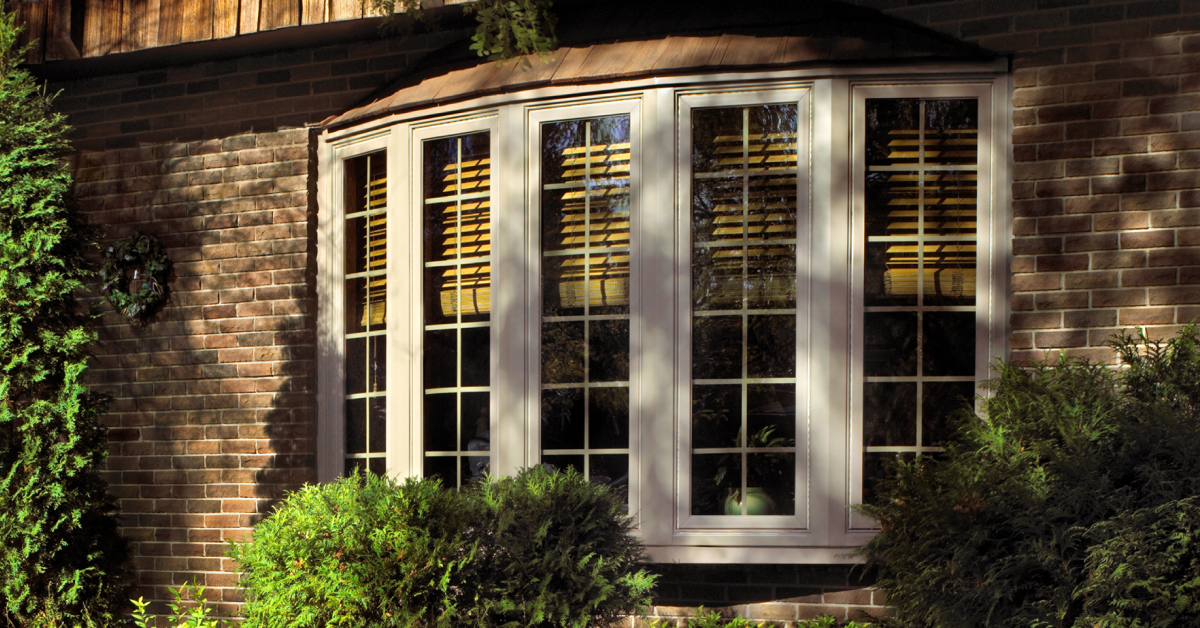
Casement and awning windows are uniquely engineered to act as "wind sails." Because a casement window operates via a side-hinged mechanism, it opens fully outward. When positioned strategically, the open sash physically catches passing cross-breezes and funnels them directly into the home. This directional control allows casement windows to achieve CFM measurements approximately 15 to 25 percent higher than comparably sized double-hung units. Awning windows, which are hinged at the top with the bottom moving outward toward the exterior, naturally shelter the opening from light rain while continuously ventilating the space.
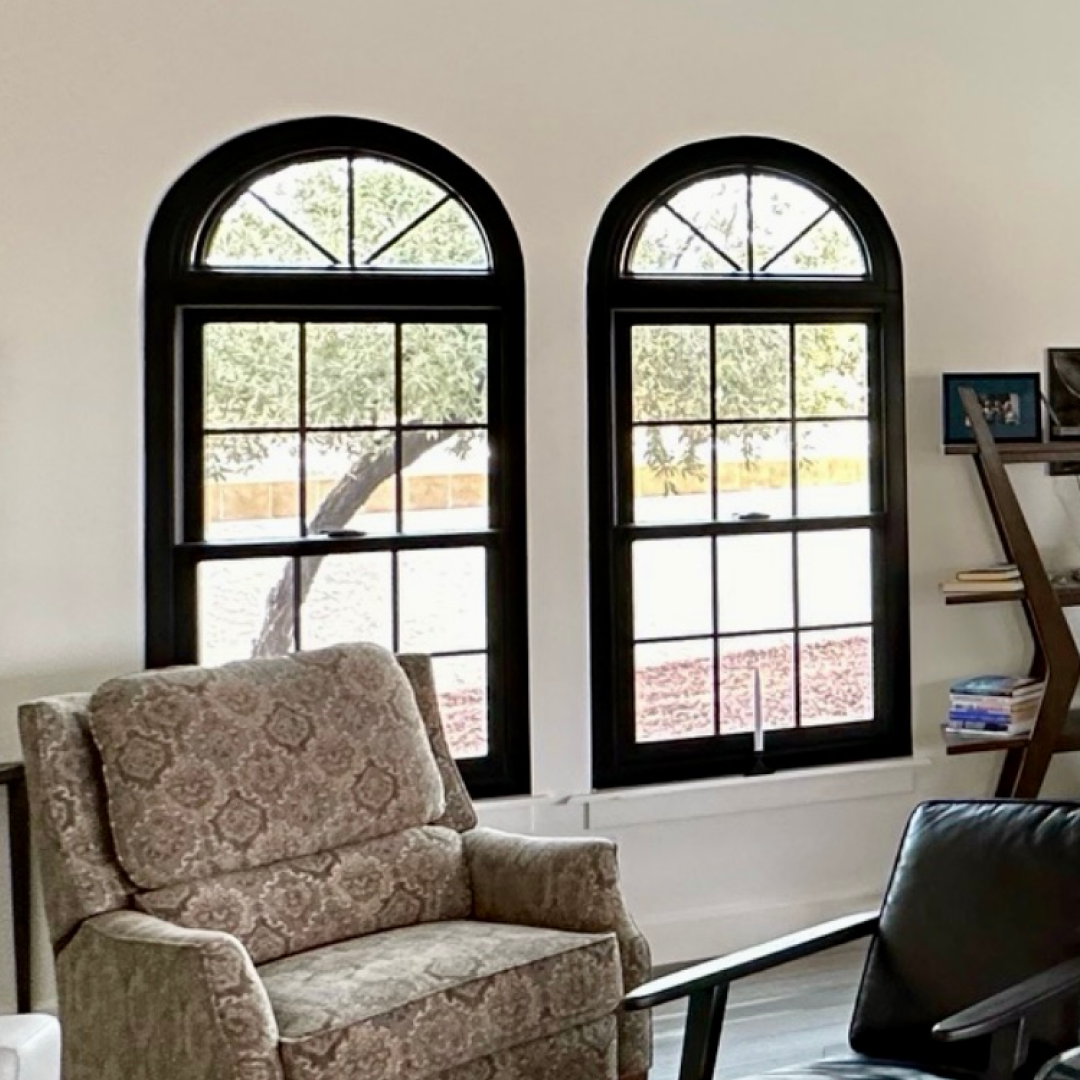
Our double-hung windows, while offering a beautiful and historically significant aesthetic, feature a precision-engineered full-travel sash configuration. Unlike competitive retail products whose balancer limitations or low-grade material construction prevent the sashes from clearing the frame entirely, Renewal by Andersen®’s double-hung units allow both the top and bottom sashes to utilize their full range of vertical travel. This maximizes the physical opening area, creating two distinct paths for convection: cooler air enters through the bottom opening while warm, stagnant air escapes efficiently through the top.
Gliding windows operate by sliding horizontally along smooth tracks, offering a generous opening area that serves as an excellent, space-saving alternative where exterior swing clearance is restricted, combining fluid movement with expansive glass views.
Room orientation and local climate play a massive role in dictating the ideal style choice. In the intense summer heat of Phoenix and Las Vegas, the ability to open a casement window to capture and direct cooler evening breezes into the home is a significant advantage for thermal management. Conversely, in high-altitude markets like Colorado Springs and Boulder, where solar gain and thermal stratification can cause heated air to rise and settle near vaulted ceilings, the strategic placement of awning or casement windows can actively pull cooler air upward. By mapping out your home's specific ventilation needs during a professional consultation, we can eliminate stagnant air pockets without compromising your home's security or structural integrity. This ensures your ventilation performance is optimized for your exact local environment.
Engineered for Different Demands: "Swing" Windows vs "Sliding" Windows
Homeowners frequently express concern about drafts, particularly during extreme seasonal shifts. It can be frustrating to invest in home improvements only to feel cold air seeping through the window frames during a winter storm. This concern is valid, and it is directly addressed by matching the structural sealing dynamics of specific window designs to your local climate demands.
The mechanical interface differs naturally between windows designed to slide and those designed to swing. Sliding configurations, such as our double-hung and gliding windows, utilize specialized, low-friction weatherstripping brush systems engineered to maintain an uniform barrier while allowing the sashes to glide smoothly along their tracks year after year.
Swing-style units, including casements and awnings, leverage distinct compression sealing dynamics. As a casement or awning window is cranked shut, a heavy-duty locking mechanism pulls the sash progressively tighter against the frame gasket. This physical compression creates an exceptionally tight seal. A key advantage of this engineering reveals itself during heavy weather events: when high winds blast the exterior of the home, the external wind pressure actually pushes the swing sash firmly into the compression seals, utilizing the force of nature to reinforce the thermal barrier.
This structural sealing capability is paramount in high-wind regions. When coastal gales strike homes in Cape Cod, Rhode Island, and Connecticut, or when severe thunderstorm outflow winds sweep through Dallas, Fort Worth, and Oklahoma City, our custom-engineered sashes utilize these structural dynamics to defend the home’s envelope against air infiltration.
Furthermore, our manufacturing process accounts for the extreme temperature swings that can cause inferior retail materials to warp or gap. Our proprietary Fibrex® material frames feature engineered hollow insulating chambers that provide exceptional structural thermal breaks. Fibrex® material is twice as strong as standard vinyl and insulates 700 times better than aluminum. Because we manufacture every unit to precise 1/16-inch increments, the hardware, glass, and frame all work in perfect concert to prevent drafts, completely managing localized thermal expansion and contraction.
Standard Industry Practices vs. The Renewal by Andersen®’s Advantage
- Installation Standards
- Standard Industry Practices: Relying on generic hired help or general contractors for installation, leading to inconsistent framing alignments and field-adjusted compromises.
- The Renewal by Andersen®’s Advantage: Exclusive use of Certified Master Installers who follow precise, factory-engineered installation specifications to ensure flawless operational clearances and perfect seal functionality.
- Sealing Mechanics
- Standard Industry Practices: Relying on flat, single-layer generic weatherstripping that compresses permanently and loses elasticity after a few seasons of temperature extremes.
- The Renewal by Andersen®’s Advantage: Implementing advanced, multi-point compression seals in swing units that leverage wind pressure to tighten the barrier, alongside high-performance full-travel tracking systems in sliding units.
- Glass Technology
- Standard Industry Practices: Utilizing generic dual-pane glass that offers minimal protection against solar heat gain or winter heat loss.
- The Renewal by Andersen®’s Advantage: High-Performance Low-E4® SmartSun™ glass is 70% more energy-efficient in summer and 45% more energy-efficient in winter compared to ordinary dual-pane glass, while blocking 95% of harmful UV rays.¹
If you are experiencing drafts or inconsistent temperatures in your home, you can easily discover the ideal compression-style solutions by taking our window customization quiz to see exactly how these high-performance materials will protect your living space.
For a deeper understanding of how our manufacturing process creates a superior barrier against the elements, explore the mechanics behind our compression seal technology.
Architectural Integration: Matching Window Profiles to Home Value
A primary objective for many homeowners is modernizing their home’s performance without erasing its historical character. The fear of installing a contemporary window that clashes with a vintage exterior is a common and highly valid concern. Preserving your home's architectural integrity is directly tied to preserving, and even increasing, its market value.
The aesthetic evolution of divided light windows allows us to beautifully replicate the vintage charm of specific architectural vernaculars. For early 20th-century Craftsman bungalows in West Chester or historic Federal-style properties in Philadelphia and Wilmington, the inclusion of historically accurate muntins or grille patterns is essential. We offer Grilles-Between-the-Glass (GBG) in both contoured and designer profiles, which place the grille pattern permanently between the glass panes for effortless cleaning while maintaining the traditional divided light aesthetic. For those who prefer a more tactile, historical approach, our removable Interior Wood Grilles (INTW) provide stunning architectural accuracy.
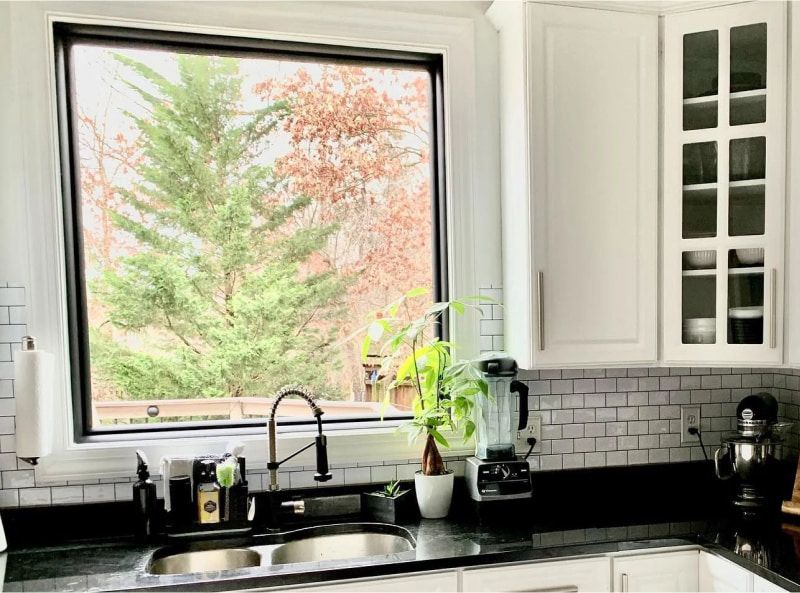
Beyond grilles, the frame "sightlines"—the visible width of the frame when looking at the window—dramatically affect the perceived size of the opening. Because Fibrex® material provides exceptional structural strength, we are able to engineer "Bulk-Buster" frames. These frames utilize narrower profiles to maximize the visible glass area and allow significantly more natural light into the room, all without requiring any alteration to the home's original rough opening.
This brings us to the critical distinction between installation methodologies. Depending on the condition of your home, our Project Consultants will recommend either a Full-Frame or an Insert installation. Insert installation is a highly technical choice that positions the new window within the existing frame cavity, designed to preserve existing interior and exterior trim. This is often the ideal choice for historical preservation. Full-Frame installation is utilized when the original frame is compromised, allowing for maximum glass area and complete architectural modernization.
By carefully matching the window style, grille pattern, and frame profile to your home's unique design, we ensure seamless architectural design integration that honors your home's legacy while upgrading its thermal performance.
Optimize Your Home’s Airflow: Schedule a Professional Style Audit
The decision to replace your windows is a significant one, and the logistics of the process can sometimes feel overwhelming. Homeowners want to know exactly who will be working in their home, how the measurements are taken, and whether the quoted price will suddenly change. We eliminate these anxieties through Our Philosophy on a Professional, In-Home Consultation, ensuring total transparency, respect for your time, and absolute precision.
The process begins with a dedicated Project Consultant who visits your home to conduct a comprehensive style audit and moisture assessment. They will listen to your specific concerns, map out your home’s ventilation needs, and help you select the exact window geometries that maximize both comfort and curb appeal. They will determine the appropriate installation method and provide a comprehensive project quote. To protect you from unpredictable market adjustments, this quote is backed by a 1-year guarantee, locking in your price for 365 days.
Once your project is approved, an Installation Manager will visit to conduct the Technical Measure. This is a strict, post-contract diagnostic visit where every opening is measured to a 1/16-inch accuracy to finalize the custom manufacturing specifications. Finally, the physical installation is executed exclusively by our Certified Master Installers—never generic hired help. These specialized craftsmen are trained to replicate vintage charm, ensure perfect compression seals, and treat your home with the utmost respect.
Whether you are managing the humid subtropical climates of San Antonio and Tulsa, or preparing for the harsh winter freeze-thaw cycles of New Hampshire and Portland Maine, our team is equipped to deliver a permanent solution. Your investment is further protected by a fully transferable, non-prorated limited warranty that includes 20 years on glass and Fibrex® material, and 10 years on hardware, providing single-point accountability fully warranted by one company covering both parts and labor.
Take the first step toward transforming your home's comfort, security, and aesthetic value. We invite you to schedule a professional consultation to experience the Renewal by Andersen difference firsthand.
Ready to map out your home's perfect ventilation and architectural profile? Start your personalized style audit today and discover the exact window geometries tailored to your living space.
Investing in Renewal by Andersen replacement windows means choosing a lifetime of elevated thermal performance, effortless operation, and architectural beauty. By upgrading to custom-engineered Fibrex® material frames and High-Performance Low-E4® SmartSun™ glass, you are making a definitive commitment to the long-term value and comfort of your home. Secure your comprehensive project quote and begin your home’s transformation by scheduling your professional in-home consultation today.
¹ Values are based on comparison of Renewal by Andersen® glass performance (U-Factor and SHGC) to that of common dual-pane glass. ***See Renewal by Andersen® Products and Installation Transferable Limited Warranty for details.