
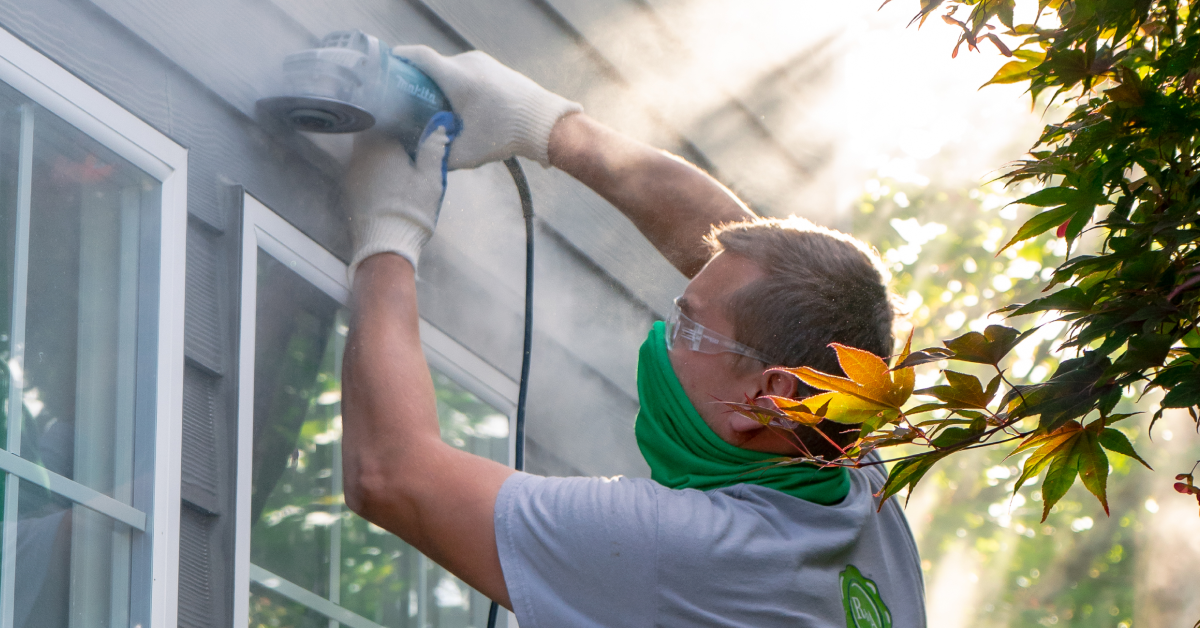
When it’s time to replace your home's windows, the idea of a do-it-yourself (DIY) project can be tempting. The primary motivation is almost always cost savings—by handling the labor yourself, you might think you can cut a significant portion from your project's total price. While you might save on upfront labor costs, the real financial picture is far more complex, especially in regions with demanding climates.
From the high altitudes of Colorado to the intense heat of Arizona and Texas, and the coastal air of the Northeast, your home's location presents unique challenges that a standard DIY guide won't cover. An improper installation can lead to costly mistakes, voided warranties, and diminished energy savings, quickly erasing any initial savings. Before you pick up a pry bar, it’s crucial to understand the true risks and rewards of a DIY window replacement.
What are the real risks of installing my own windows?
While professional installation may seem like just another line item on a quote, it represents expertise that protects your home and investment. A DIY installation, even with careful work, can go wrong in many ways. Industry data shows that nearly one in five DIY window projects requires professional correction, often costing more than the original professional installation would have.
Common DIY mistakes include:
- Incorrect Measurements: A window that’s too small will have gaps that compromise energy efficiency; one that’s too large simply won’t fit.
- Improper Flashing and Weatherproofing: In coastal areas or snowy parts of Colorado, a mistake here can lead to thousands of dollars in water damage, rot, and mold remediation.
- Poor Sealing and Insulation: Using the wrong type of caulk or too much expanding foam can lead to bowed frames and failed seals.
- Not Installing Level and Plumb: A window that isn't perfectly level won't open, close, or lock correctly, compromising security and the weather seal.
- Building Code Violations: Historic districts or specific municipal codes often have strict egress and safety glass requirements that a DIYer may overlook.
How does my local climate affect window installation?
Window installation isn't a one-size-fits-all process. The environmental stressors in your specific region demand specialized knowledge and materials.
High Altitude & Intense UV in Colorado Homeowners in Denver, Boulder, and Colorado Springs face challenges unique to high elevations. The lower atmospheric pressure can cause insulating gas between panes to expand, leading to seal failure. Windows installed here require special breather tubes to equalize pressure—a feature a DIYer may not know to ask for from a manufacturer.
Extreme Heat in Arizona and Texas In sun-drenched climates like Phoenix or Dallas, the primary goal is to keep heat out. A novice may not know to order the proper coatings from a manufacturer for these specific geographic areas. While a professional understands the necessity of specific Low-E coatings and Solar Heat Gain Coefficients (SHGC), a DIYer might overlook these critical specs during the ordering process. Furthermore, professional installation accounts for extreme daily temperature fluctuations by properly shimming and fastening the unit to accommodate thermal movement.
Coastal Salt Air and Humidity in the Northeast For homes along the coast, salt air is a major concern that can corrode hardware. Professional installers recommend windows with corrosion-resistant hardware and durable frame materials like Fibrex® material that can withstand the harsh coastal environment.
Does DIY window installation void the warranty?
This is one of the most significant and overlooked financial risks. Most window manufacturers explicitly state that their product warranty is only valid if the windows are installed by a certified professional. If you install the windows yourself and a seal fails, you will likely have no recourse with the manufacturer.
Furthermore, professional installation companies, like Renewal by Andersen, provide an additional warranty on their workmanship. This means if an issue arises due to the installation itself, the company is responsible for fixing it. With a DIY project, you are your own warranty—any mistakes or future problems are your financial responsibility.
How much money do you actually save with DIY window installation?
On paper, eliminating professional labor seems like a saving. However, the true cost of a DIY project must account for the risks and hidden factors:
- The Value of Your Time: A homeowner's time is worth money. A DIY installation will take significantly longer for a novice than for our efficient Certified Master Installers, who have installed thousands of windows and doors.
- The Cost of Mistakes: A single improperly flashed window can lead to water damage costing over $5,000 to repair.
- The Loss of Energy Savings: A professionally installed window can reduce energy bills by up to 13% annually. A drafty DIY installation may eliminate those savings entirely.
- The Value of the Warranty: By voiding the warranty, you forfeit protection that could be worth thousands over the window's lifespan.
The Smarter Investment: Professional Window Replacement
In climates as diverse and demanding as those across Colorado, Texas, Arizona, and the Northeast, professional installation is more than a convenience—it's an investment in your home's long-term value. Entrusting your project to certified professionals ensures the job is done right the first time, your warranty is protected, and your windows will perform beautifully for years to come.
If you're ready to explore your window replacement options without the risks of a DIY project, schedule a free, in-home consultation with Renewal by Andersen today.