
Replacing your home’s windows is one of the most significant investments you will make as a homeowner. It is a decision often fraught with anxiety and the fear of making a costly mistake. You may be staring at peeling frames, feeling drafts in your living room, or noticing that your energy bills are climbing despite your best efforts. The pressure to choose the right material is immense because you only want to do this project once.
Many homeowners initially gravitate toward vinyl due to its ubiquity and lower upfront price point. However, the "sticker shock" of premium materials often masks the long-term reality of performance. When you peel back the layers of marketing, the difference between a short-term patch and a long-term solution becomes glaringly obvious. Renewal by Andersen exists to bridge that gap, offering a proprietary solution designed to eliminate the cycle of repair and replacement. By understanding the science behind our exclusive Fibrex® material, you can move past the fear of the unknown and make a decision rooted in engineering facts and proven longevity.
Is Fibrex® Material Better Than Vinyl?
The question of whether Fibrex® material is better than vinyl is a matter of material science. Vinyl windows are typically made from PVC, a plastic material chosen primarily for its low cost. While vinyl is marketed as low-maintenance, it lacks the structural integrity required for long-term performance in harsh environments.
Fibrex® material, exclusive to Renewal by Andersen, is a composite innovation that redefines the category. It is a precise blend of 40% reclaimed wood fiber by weight and 60% proprietary thermoplastic polymer.
For homeowners in climates like Phoenix or Tucson, where summer temperatures routinely exceed 110°F, the difference is critical. PVC is highly susceptible to thermal expansion. When exposed to the relentless Arizona sun, vinyl frames can soften, bow, and warp. This movement breaks the seal between the frame and the glass, leading to foggy panes. Fibrex® material, however, is engineered to resist this distortion. It retains its stability even under extreme heat, ensuring that the window you install today operates smoothly 30+ years from now.
Furthermore, because vinyl lacks strength, manufacturers must use thick, bulky frames. They also utilize "glazing beads"—removable strips that hold the glass in place—because they anticipate the frame will expand and contract so much that the glass will eventually need to be replaced. Renewal by Andersen manufactures the window sash frames directly around the glass components for a more structural, permanent solution. This allows for narrower, more elegant frames that maximize your view.
What Are the Pros and Cons of Fibrex® Material Windows?
The primary "con" often cited regarding Fibrex® material is the initial cost compared to off-the-shelf vinyl options. This price difference reflects the disparity between a temporary fix and a permanent home improvement. When you factor in the lifecycle costs—including the likelihood of replacing warped vinyl windows in 8–10 years—the value equation shifts in favor of Fibrex® material.
The Pros of Fibrex® Material:
- Structural Integrity: In regions like Colorado Springs, Fibrex® material has a low coefficient of thermal expansion, preserving weatherstripping and seals through erratic weather.
- Design Versatility: Unlike vinyl, which is limited to light colors to avoid heat-warping, Fibrex® material is inherently stable. We offer deep, rich colors—from Dark Bronze and Forest Green all the way to Black—that are fused into the material during extrusion so they won't flake or peel.
- Eco-Friendly: It utilizes wood fiber reclaimed from Andersen Corporation’s woodworking operations, preventing waste from entering landfills.
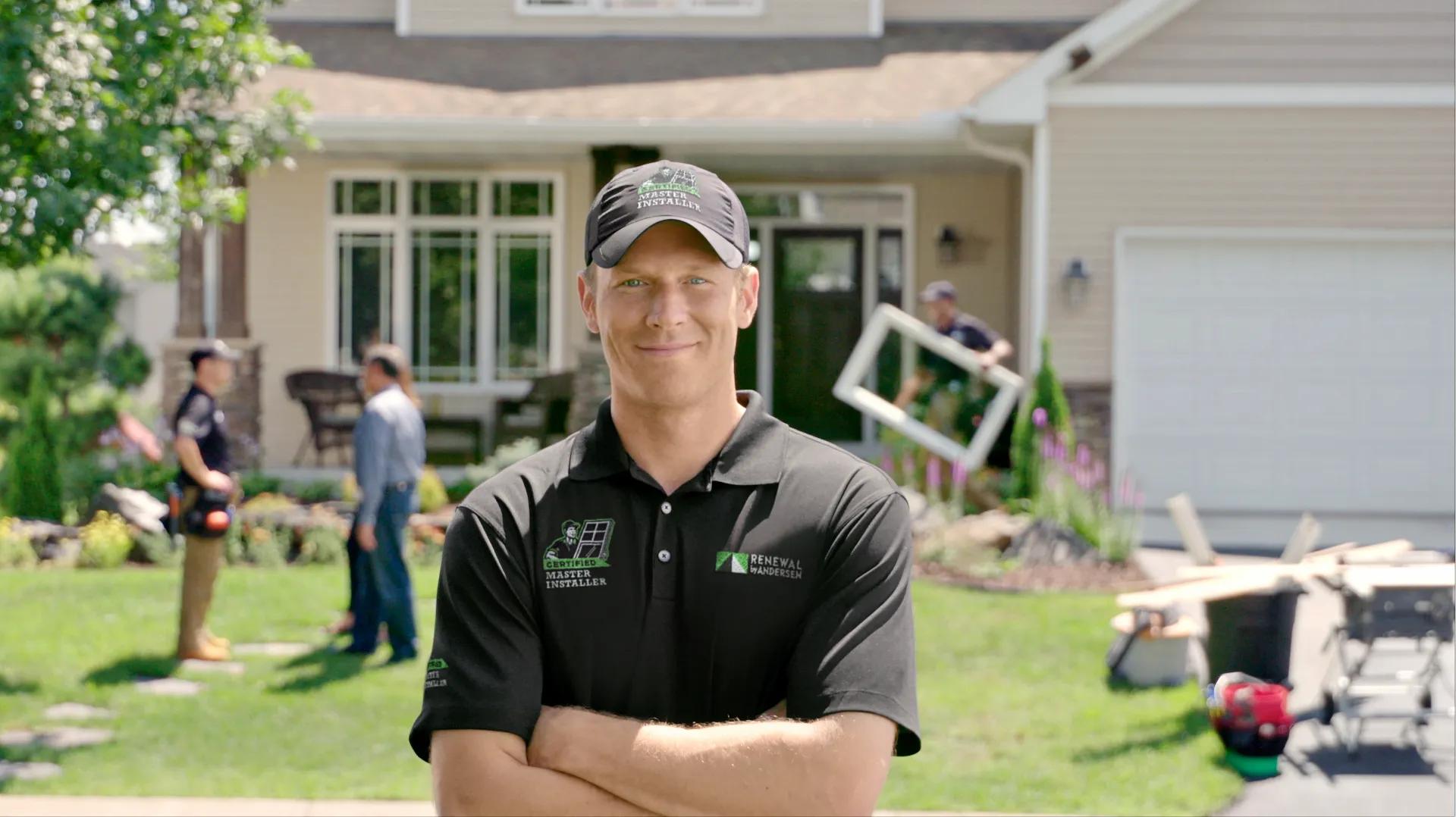
We eliminate installation anxiety through our Certified Master Installer process. We do not rely on hired help; our installers are trained specifically in the nuances of Fibrex® material windows, ensuring absolute precision.
Do Vinyl Windows Warp in the Sun?
Yes: vinyl windows are highly prone to warping. In cities like Las Vegas, a dark-colored vinyl window can reach surface temperatures significantly higher than the air. As the PVC heats up, the frame can bow, making windows difficult to open or lock.
Fibrex® material is fundamentally different. The wood fiber acts as natural reinforcement, anchoring the polymer. In Dallas and Austin, where weather swings from intense heat to severe thunderstorms, this durability is non-negotiable. While vinyl might crack under the impact of hail or warp during a heatwave, Fibrex® material maintains its shape and strength.
How Long Do Fibrex® Material Windows Last?
Fibrex® material windows are designed for the long haul. A common anxiety for homeowners is the "lifetime warranty" loophole in vinyl contracts. Often, these are pro-rated, meaning the value decreases every year.
Our data, backed by a new 30-year durability study, proves that Fibrex® material stands the test of time. In coastal environments like Cape Cod, it resists the corrosive effects of salt air, rot, and decay. We back this with a fully transferable limited warranty covering the glass, the frame, and the installation.
Are Fibrex® Material Windows Worth the Cost?
The final, and perhaps most critical, question regarding window replacement is one of value. Is the premium price of Fibrex® material justified? To answer this, we must look at the Return on Investment (ROI) through the lens of energy efficiency and asset protection.
Standard vinyl windows often use basic glass packages that meet minimum code requirements. Renewal by Andersen® windows feature High-Performance Low-E4® glass, which is 45% more energy-efficient in winter and 56% more energy-efficient in summer compared to ordinary dual-pane glass.¹ In climates with extreme temperature differentials—such as the freezing winters of the Northeast or the scorching summers of the Southwest—this glass technology works in tandem with the insulating properties of the frame to dramatically reduce thermal transfer.
The Generic Approach vs. The Renewal by Andersen® Solution
When evaluating the cost, consider the following differences between a typical "commodity" replacement and our engineered solution:
- Window Frame Material
- The Generic Vinyl Approach: Utilizes hollow PVC frames that are prone to warping, bowing, and sagging in high heat.
- The Renewal by Andersen® Solution: Features exclusive Fibrex® material, which is twice as strong as vinyl and maintains its structural integrity in all climates.
- Installation Expertise
- The Generic Vinyl Approach: Installation is often outsourced to hired help or general laborers with varying levels of skill and accountability.
- The Renewal by Andersen® Solution: Performed by Certified Master Installers who are specifically trained in our high-performance window systems.
- Aesthetic Design and Options
- The Generic Vinyl Approach: Requires thick, bulky frames to support the glass, which reduces your view. Colors are often limited to white or almond.
- The Renewal by Andersen® Solution: Superior strength allows for narrower frames and more glass. Colors like Black and Dark Bronze are fused into the material for a permanent finish.
- Expected Product Longevity
- The Generic Vinyl Approach: Carries a high risk of seal failure, fogging, and mechanical issues in as little as 8–10 years.
- The Renewal by Andersen® Solution: Offers proven performance for 30+ years, backed by a non-prorated, fully transferable limited warranty.
By choosing Fibrex® material, you are opting for a "buy it once, buy it right" solution. The value is not just in the high-performance material, but in the certainty that the job is done forever, protecting your home's interior and your long-term budget.
Conclusion
Choosing between Fibrex® material and vinyl is a choice between a temporary patch and a permanent upgrade. Your home deserves a solution that stands up to the elements, from the baking sun to freezing gales.
Ready to experience the difference for yourself? Schedule your free consultation today and let us show you exactly what Fibrex® material can do for your home.
¹ Values are based on comparison of Renewal by Andersen® glass performance (U-Factor and SHGC) to that of common single-pane glass.
*See Renewal by Andersen® Products and Installation Transferable Limited Warranty for details.
Schedule a Consultation