
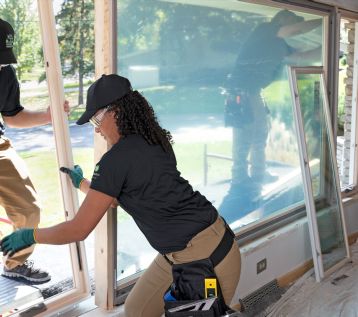
When it’s time to replace the windows in your home, the frame material you choose is one of the most important decisions you’ll make. The right material can enhance your home’s beauty, improve energy efficiency, and provide decades of durability, while the wrong choice can lead to premature wear, high maintenance, and poor performance.
The "best" material isn't a one-size-fits-all answer; it depends on your local climate, your home's architectural style, and your personal priorities for aesthetics, longevity, and budget. This guide breaks down the pros and cons of the most common replacement window frame materials to help you make an informed decision for your home.
What are the pros and cons of vinyl window frames?
Vinyl is a common option for replacement windows. Made from PVC (polyvinyl chloride), it offers decent insulation and requires minimal maintenance, as it never needs to be painted or stained. However, its performance can vary dramatically depending on the climate.
Pros:
- Cost-Effective: Generally, an affordable window frame material.
- Low Maintenance: Does not require painting or staining and is easy to clean.
- Good Insulation: Offers thermal performance, helping to reduce energy transfer.
Cons:
- Susceptible to Warping: In extreme heat, such as the intense summer sun in Phoenix, Dallas, or Austin, lower-quality vinyl can soften, warp, or sag over time.
- Limited Color Options: Color is integral to the material, so options are limited. Darker colors can absorb more heat, increasing the risk of warping.
- Can Become Brittle: In very cold climates or at high altitudes with intense UV exposure, vinyl can become brittle and prone to cracking over its lifespan.
While vinyl windows may have a lower up-front cost, the long-term value may be shortened due to the inherent failures common in budget materials. In demanding climates, this lack of long-term durability is a significant concern for homeowners looking for a one-time investment.
What are the pros and cons of wood window frames?
Wood frames offer a classic beauty that is hard to replicate. They are a natural insulator and can be painted or stained to match any design aesthetic, making them a preferred choice for historic homes.
Pros:
- Aesthetic Appeal: Provides a traditional, warm, and beautiful look.
- Excellent Insulator: Wood is naturally effective at preventing heat and cold transfer.
- Customizable: Can be painted or stained to match your home’s interior and exterior.
Cons:
- High Maintenance: Wood requires regular painting or staining. Neglecting this can lead to rot, warping, and decay.
- Vulnerable to Moisture: In humid climates or coastal areas with salt air, wood frames are highly susceptible to moisture damage and rot if not meticulously maintained.
- Higher Cost: Wood windows are typically one of the more expensive options for a replacement project.
What are the pros and cons of fiberglass window frames?
Fiberglass frames are engineered for strength, durability, and performance. Made from glass fibers and resin, they are stable and expand and contract very little with temperature changes.
Pros:
- Exceptional Strength & Durability: Fiberglass is strong and resistant to denting, bending, and breaking.
- Thermal Stability: It expands and contracts at roughly the same rate as glass, which helps maintain the integrity of window seals.
- Weather Resistant: It resists swelling, rotting, and warping, making it ideal for high-altitude locations and coastal regions.
Cons:
- Higher Initial Cost: Fiberglass is a premium material and comes with a higher price point than vinyl.
- Limited Flexibility: The nature of the material can make it less adaptable to complex custom shapes.
What are the pros and cons of aluminum window frames?
Aluminum frames are known for their strength and light weight, which allows for slim, modern profiles that maximize glass area and views.
Pros:
- Strength and Slim Profiles: Allows for large panes of glass and narrow frames, creating a sleek, contemporary look.
- Lightweight and Durable: Resistant to bending and weather damage in dry climates.
Cons:
- Poor Insulation: Aluminum is a highly conductive material, meaning it easily transfers heat and cold. This makes it energy-inefficient unless it includes a "thermal break."
- Prone to Corrosion: In coastal areas, salt air can cause aluminum to corrode and pit over time.
- Condensation Issues: Due to its high conductivity, aluminum frames are more likely to have condensation form on the interior during cold weather.
What is Fibrex® material and how does it compare?
Renewal by Andersen’s exclusive Fibrex® material is a revolutionary composite that combines the best qualities of other materials into one superior frame. It is made of a unique blend of reclaimed wood fiber and a thermoplastic polymer. This advanced composite offers the strength and stability of wood with the low-maintenance ease of other materials.
Fibrex® material is twice as strong as vinyl, which can allow for narrower frames and more glass area to maximize your view. Unlike wood, it will not rot, decay, or require painting, and it is warranted not to flake, rust, blister, peel, crack, or corrode.
Its exceptional thermal insulating properties help reduce heating and cooling bills. Because it is so stable, it expands and contracts very little, even in the most extreme temperatures. This ensures your windows remain weathertight and easy to open and close, whether you live in the high heat of San Antonio, TX, the high altitude of Flagstaff, AZ, or the humid, four-season climate of South Jersey.
Find the Perfect Material for Your Window Replacement Project
Choosing the right frame material is crucial for the success of your window replacement project. By considering your local climate and weighing the pros and cons of each option, you can select windows that will provide lasting beauty, performance, and value.
At Renewal by Andersen, we specialize in helping homeowners navigate these choices. Our Project Consultants provide expert guidance tailored to your home and region, and our exclusive Fibrex® material offers a durable, beautiful, and energy-efficient solution for any climate. Schedule your free, in-home consultation today to learn more.