
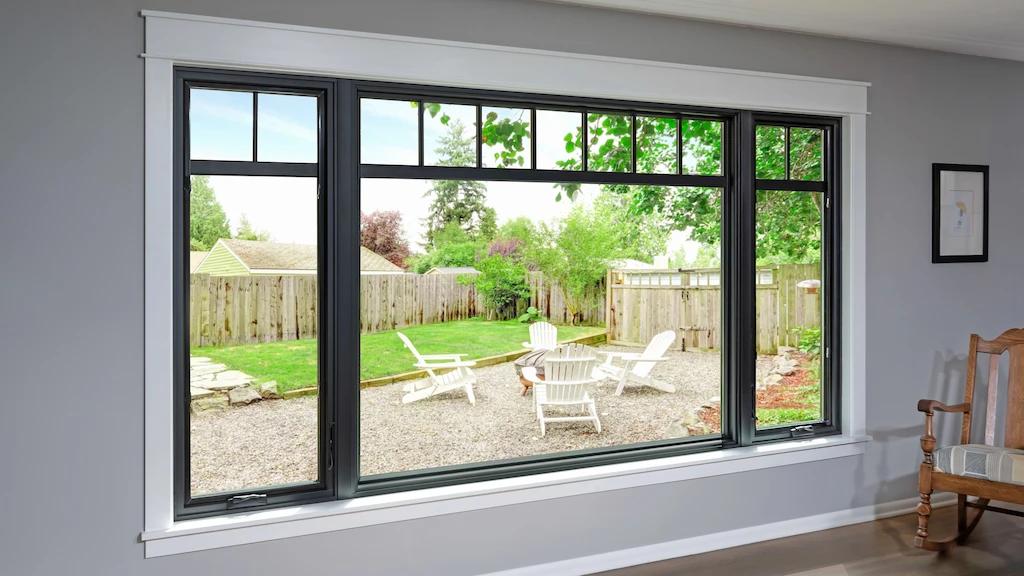
As the final frost thaws and the vibrant season of spring arrives, homeowners naturally turn their attention to refreshing and assessing their living spaces. Spring is the ideal time to evaluate how well your home weathered the harsh winter months. During this season of renewal, many homeowners begin their annual deep cleaning and maintenance routines, which often brings a critical question to the surface: how are my windows truly performing? It is completely normal to wonder if the subtle drafts you felt in January or the condensation you notice on crisp April mornings are signs of a larger issue. You may be weighing the ongoing costs of energy loss against the investment of upgrading your home, seeking a clear path forward that balances budget with long-term comfort.
For homeowners in Northeast markets like Philadelphia, West Chester PA, and Wilmington DE, the post-winter assessment often reveals the hidden toll of ice, snow, and fluctuating temperatures. The traditional approach to window maintenance has trained homeowners to become amateur inspectors—spending every spring checking seals, reapplying caulk, and lubricating stiff hardware. However, your home should be a place of comfort, not a source of constant seasonal chores.
Renewal by Andersen offers a different philosophy: inspect once, and never worry again. By shifting from reactive problem-spotting to proactive prevention, you can eliminate the annual burden of window maintenance. Upgrading to premium, custom-crafted replacement windows means investing in advanced engineering designed to permanently resolve the vulnerabilities of standard windows.
What does condensation between window panes mean?
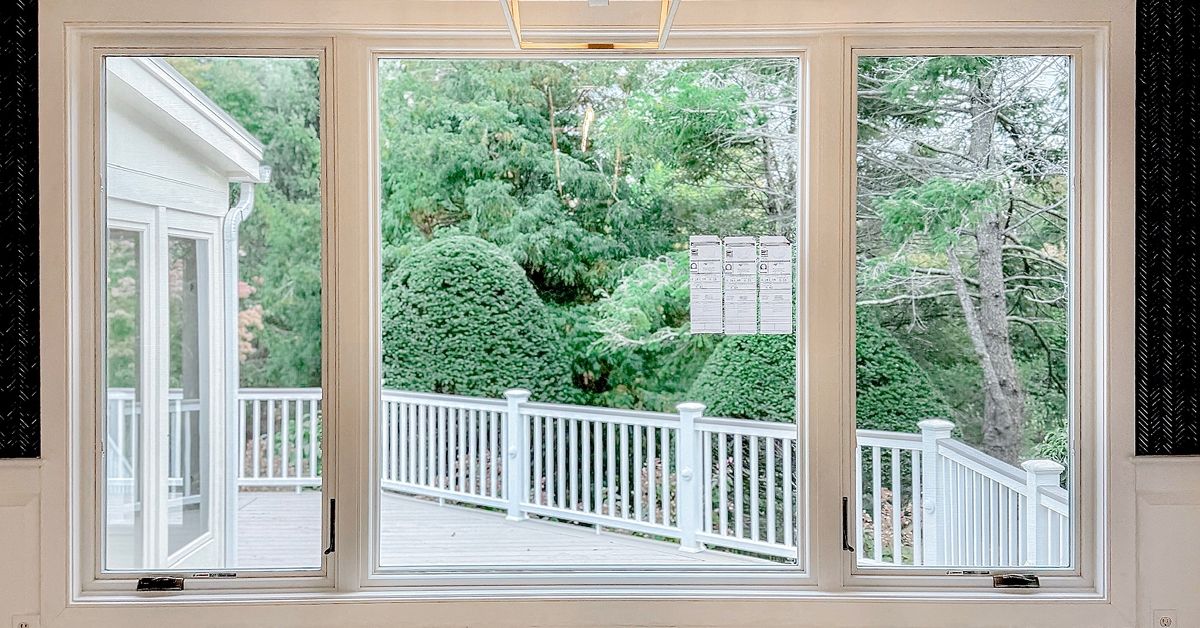
Seeing a persistent fog or condensation trapped between the panes of your glass can be confusing and frustrating. Many homeowners worry that this trapped moisture means their home is losing valuable energy, and they are absolutely right to be attentive to this detail. Condensation between the panes is a definitive indicator that the thermal seal of the window has failed. When the seal breaks, the insulating gas that was originally pumped between the glass escapes, allowing outside air and moisture to enter.
In regions that experience significant spring humidity, such as Dallas and Fort Worth, this trapped moisture becomes highly visible as the morning air warms up. The immediate solution is not to attempt a temporary repair, but to upgrade to a system engineered for superior thermal performance. Renewal by Andersen replacement windows feature High-Performance Low-E4® Glass, which is rigorously tested and NFRC-certified to block 84% of harmful UV rays while maintaining an impenetrable thermal barrier. For homes in warmer climates, the SmartSun™ Glass option provides the highest rating against solar heat gain, significantly reducing cooling costs. By choosing energy-efficient windows, you permanently eliminate the conditions that allow condensation to form between panes, ensuring crystal-clear views and consistent indoor temperatures year-round.
How often should window caulk be replaced?
A common point of confusion during spring maintenance is the condition of window caulking. Industry standards often suggest that homeowners should inspect and reapply caulk every three to five years to prevent drafts and water infiltration. It is entirely understandable to feel burdened by this repetitive chore. The degradation of caulk is primarily driven by thermal expansion and contraction. In Texas markets like San Antonio, Austin, and West Texas, extreme summer heat cycles exceeding 100°F cause standard window materials to expand significantly, only to contract when temperatures drop. This constant movement stretches and eventually tears the caulking.
You deserve a home exterior that maintains its integrity without requiring a recurring spot-treatment. Renewal by Andersen eliminates this maintenance cycle through the use of exclusive Fibrex® material. Fibrex® material is a premium composite made from reclaimed wood fiber and a specialized polymer. It is engineered to possess exceptional structural strength and a remarkably low thermal expansion rate. Because Fibrex® material expands and contracts very little—even in extreme temperature swings—the weather-tight seals remain intact and undisturbed. This advanced material science blocks thermal transfer effectively and resists decay and corrosion, freeing you from the endless cycle of scraping and reapplying caulk.
Can window seals be repaired or do windows need replacement?
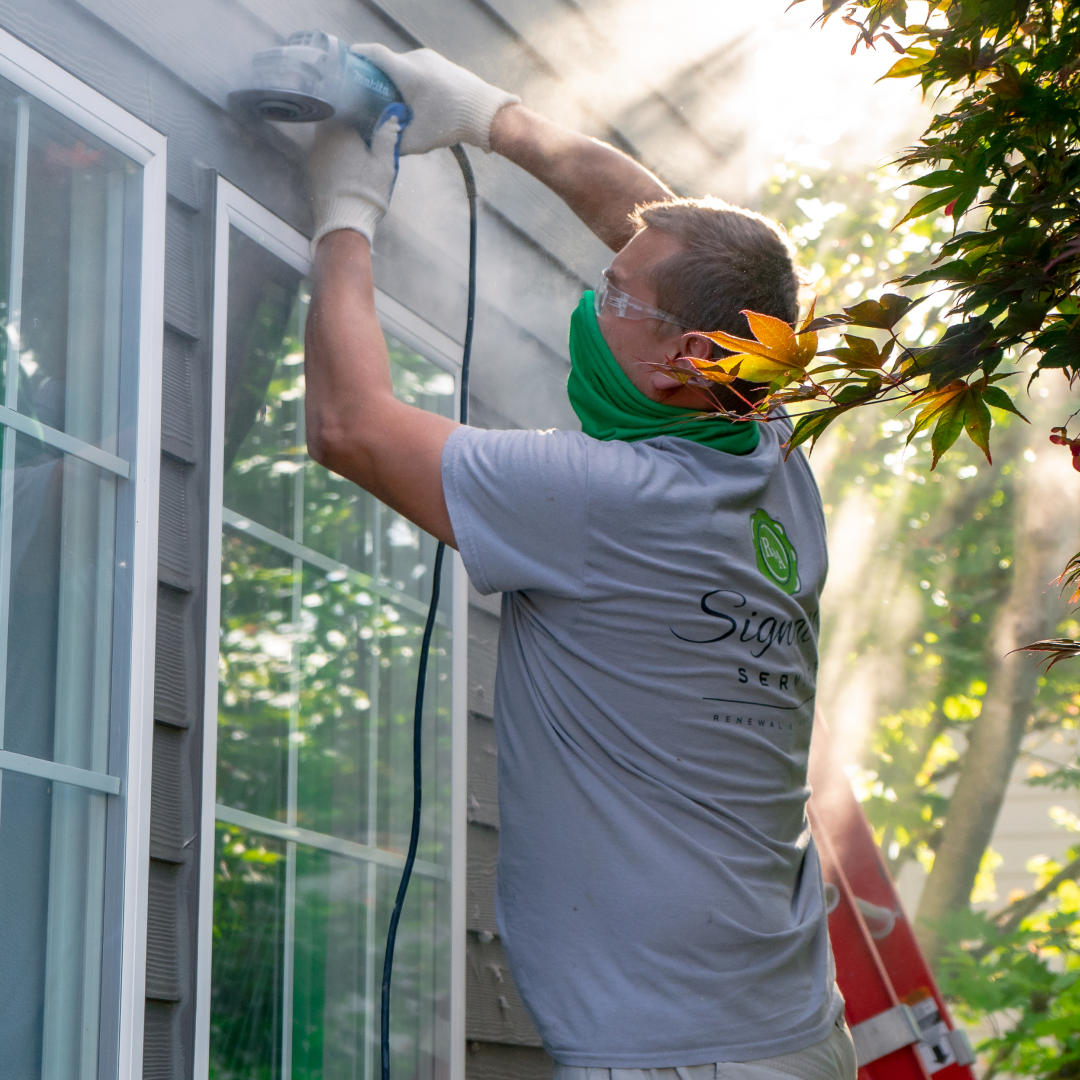
When homeowners discover a failed seal, the immediate question is often whether a simple repair can restore the window's efficiency. It is a logical consideration, especially when balancing household budgets. However, attempting to repair a failed seal on an older window is generally a temporary measure that does not restore the original insulating gas or fix the underlying structural weakness that caused the failure in the first place.
In desert markets like Phoenix and Las Vegas, intense UV exposure and extreme heat cycles accelerate the degradation of standard weatherstripping and seals. A surface-level repair cannot reverse this material breakdown. Replacing the entire unit with a custom-engineered solution is the most cost-effective and reliable choice over the lifetime of your home. Renewal by Andersen replacement windows are custom-built to the exact millimeter of your existing window openings, ensuring a flawless, airtight fit that standard off-the-shelf windows simply cannot achieve.
If you are tired of temporary fixes and want to discover how a permanent replacement solution can elevate your home's comfort, take the next step today. Take our quick quiz to find the perfect window solution for your home.
What are signs of a failing window seal?
Identifying a failing seal early in the spring can save you from significant energy loss during the peak heat of summer. Homeowners often ask what specific signs they should look for beyond obvious glass fogging. You might notice that certain rooms feel inexplicably drafty, or that the ambient temperature near the glass is drastically different from the rest of the room. You may also observe visible moisture pooling on the interior sill.
In Northeast coastal markets like Rhode Island, Connecticut, and New Hampshire, spring moisture infiltration is a common issue after the heavy winter snow begins to melt. If the seals on your windows or sliding patio doors have degraded, this melting snow can easily seep into the home, potentially causing hidden water damage to the surrounding walls. Renewal by Andersen addresses this vulnerability through meticulous engineering and a signature installation process. By utilizing continuous, high-quality weatherstripping and robust frame construction, the pathways for moisture infiltration are completely sealed off, protecting your home's interior regardless of the weather outside.
How do I know if my windows need to be replaced?
Deciding when to replace rather than maintain is a major decision, and it is completely normal to seek clarity before making an investment. One of the most overlooked signs that a window has reached the end of its lifespan is operational stiffness. If you find yourself needing to lubricate the hardware, locks, hinges, or sliders every spring just to open your windows, this is not just routine maintenance—it is a proxy for overall window decline.
In areas with older, historic housing stock like Cape Cod and Portland ME, frame settling is a natural occurrence. As the house settles, standard window frames can warp or shift out of square, causing the sashes to stick and the locking mechanisms to misalign. Renewal by Andersen provides a consultative approach to help you navigate this decision. During a comprehensive, in-home consultation, experts will assess the structural integrity of your current windows without any pressure. They will clearly explain the installation process, respect your scheduling preferences, and provide transparent financing options so you can make an informed, confident choice for your home.
What causes window frames to warp?
Seeing a warped or bowed window frame can be alarming, as it directly impacts both the security and the energy efficiency of your home. Homeowners often wonder how a solid frame could distort so noticeably. The primary culprit is the freeze-thaw cycle, combined with materials that are highly susceptible to moisture absorption and thermal movement.
In Mountain and High-Altitude markets like Colorado Springs and Boulder, the transition from winter to spring involves rapid temperature fluctuations. Snow melts during the sunny days, allowing moisture to seep into the crevices of standard wooden frames. When temperatures plummet below freezing at night, that trapped moisture expands as ice, forcing the frame to warp, crack, and eventually rot.
Renewal by Andersen®'s Fibrex® material is specifically engineered to conquer these exact climate challenges. Because it resists moisture infiltration and possesses incredible structural rigidity, it will not warp, rot, or decay, even in the most demanding high-altitude environments.
To understand the true value of this engineering, consider the differences between standard industry norms and the premium replacement experience:
- Standard Industry Practices: Relying on materials that require frequent painting, scraping, and sealing to prevent moisture damage.
- The Renewal by Andersen® Advantage: Utilizing Fibrex® material that never requires painting and naturally resists rot, decay, and fungal growth.
- Standard Industry Practices: Normalizing the annual lubrication of tracks and hinges just to maintain basic functionality.
- The Renewal by Andersen® Advantage: Precision-engineered hardware and rigid frames that ensure smooth, effortless operation year after year.
- Standard Industry Practices: Hiring third-party hired help, leading to inconsistent installation quality and compromised weather seals.
- The Renewal by Andersen® Advantage: Utilizing Certified Master Installers who are rigorously trained to execute a flawless, weather-tight fit specific to your home's architecture.
How do I prevent window condensation?
While condensation between the panes indicates a failed seal, condensation on the interior surface of the glass is a different issue, often related to indoor humidity. Homeowners frequently ask how to manage this interior sweating, as it can lead to water pooling on the sills and potential damage to interior finishes.
In markets like Tucson, where the temperature differential between the cool, air-conditioned indoors and the scorching spring and summer outdoors is extreme, standard glass simply cannot insulate effectively. The warm outside air hits the poorly insulated glass, transferring heat and causing the indoor moisture to condense. The most effective way to prevent this is by upgrading to highly insulating glass and ensuring an absolutely airtight installation.
Renewal by Andersen®'s High-Performance Low-E4® glass acts as a powerful thermal barrier, keeping the interior glass temperature closer to your room's ambient temperature, thereby drastically reducing the likelihood of condensation. Furthermore, the performance of even the best glass is entirely dependent on the quality of the installation. By relying on professional installation services provided by Certified Master Installers, you are guaranteed that the window is perfectly plumb, level, and insulated around the rough opening, eliminating the drafts that contribute to temperature imbalances.
Are window maintenance costs worth it or should I replace?
As you complete your spring home assessment, the ultimate question is whether the ongoing costs of maintenance, temporary repairs, and elevated energy bills are worth it. It is a careful balancing act between short-term spending and long-term value. Continually patching failing seals, replacing rotted wood, and overworking your HVAC system to compensate for drafty windows is an exhausting and expensive cycle.
Choosing to replace your windows with Renewal by Andersen is an investment in permanent comfort and reliability. You are not just buying a window; you are securing an expertly crafted system backed by one of the strongest warranties in the industry. This fully transferable, non-prorated comprehensive warranty coverage protects the Fibrex® material, the glass, and the hardware, ensuring that your investment is safeguarded for years to come. This level of protection provides the ultimate reassurance that your home will remain beautiful, efficient, and secure.
Ready to leave seasonal window maintenance behind and upgrade to a permanent, energy-efficient solution? Take our quick quiz to find the perfect window solution for your home and start your journey toward a more comfortable living space today.
A Lasting Investment in Your Home's Future
Upgrading your home with premium replacement windows transforms your living environment by permanently eliminating drafts, reducing energy expenditures, and enhancing overall comfort. By choosing advanced materials and expert installation, you secure a beautiful, low-maintenance exterior that stands resilient against the harshest seasonal climates. This proactive investment not only elevates your daily living experience but also adds enduring, transferable value to your property for decades to come.
Schedule a Consultation