
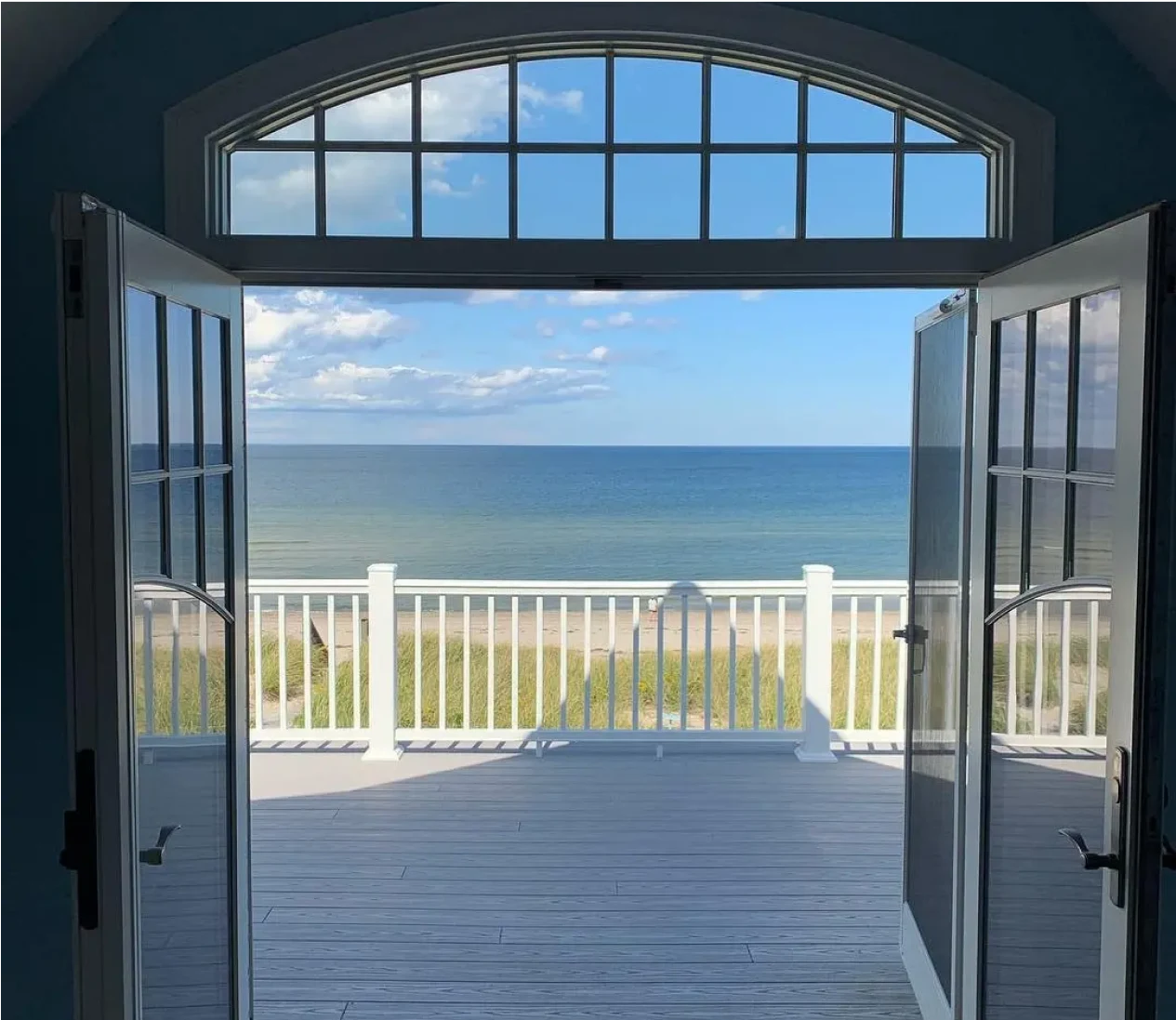
Classic Cape Cod homes are the heart of New England’s architectural charm, from Hyannis to Martha's Vineyard. While their historic character is undeniable, many homeowners know these homes also come with drafts, high energy bills, and comfort challenges rooted in their original design. If you're looking to enhance your home's comfort and performance without sacrificing its classic style, understanding the path to modern energy efficiency is the first step.
How to insulate a Cape Cod attic
For many Cape Cod homes, especially those built between the 1920s and 1950s, the attic holds the greatest potential for energy savings. Most of these homes were constructed with little to no insulation. The key to a successful upgrade is starting with comprehensive air sealing to stop conditioned air from leaking out.
Only after sealing all gaps and penetrations should new insulation be added, typically targeting an R-value between R-49 and R-60 for the New England climate. It's also critical to address the unique "kneewalls" in the upper half-story. Improperly insulating the space behind these short walls can trap moisture. A better approach often involves using vapor-open materials like dense-pack cellulose that improve insulation while allowing the structure to breathe.
What causes ice dams in Cape Cod homes?
Ice dams are a frequent problem across coastal New England. They form when warm air from inside your living space leaks into the unconditioned attic. This heat warms the underside of the roof, melting snow, which then runs down to the colder eaves and refreezes, creating a "dam" of ice. Water backs up behind this dam, seeping under shingles and causing costly water damage. Comprehensive air sealing in the attic floor is the most critical step to keeping warm air inside your home where it belongs.
Best windows for coastal salt air
Living in beautiful coastal markets like Hyannis and Martha's Vineyard means contending with corrosive salt air. Salt spray accelerates the deterioration of many building materials, and windows are particularly vulnerable.
The best replacement windows for this environment are those engineered specifically for coastal durability. Look for products made from composite materials, like Renewal by Andersen's exclusive Fibrex® material, which resists rot, corrosion, and warping. Key features for coastal replacement windows include:
- Corrosion-resistant hardware to ensure smooth operation for years to come.
- High Performance Grade (PG) ratings (often PG50 or higher) to withstand strong winds and wind-driven rain common in nor'easters.
- Impact-resistant glass options, like our specialized glass packages designed for maximum durability, provide an added layer of security and protection against severe weather events in storm-prone zones.
How much does window replacement cost in Hyannis?
The cost of a window replacement project is unique to each home. While it's an important consideration, it's also crucial to view the project as a long-term value investment. In a premium real estate market like Cape Cod, energy efficiency upgrades can command a resale value premium of 4-5%. Furthermore, replacing old, single-pane windows can stop 30-40% of your home's heating and cooling energy loss, leading to significant monthly savings.
Are heat pumps effective in cold climates?
Absolutely. Modern cold-climate heat pumps are highly effective across Massachusetts and Rhode Island. Today's technology operates with incredible efficiency even when outdoor temperatures drop below 5°F. For a homeowner currently relying on an oil furnace, switching to a heat pump can cut heating energy consumption by 50% or more. This transition is further encouraged by substantial incentives, including Mass Save® rebates up to $10,000.
How to reduce energy bills in a Cape Cod home
Reducing your energy bills requires a holistic approach:
- Start with a Professional Energy Assessment: Identify your home's specific weaknesses.
- Air Seal and Insulate: This is the foundational step for any Cape home.
- Upgrade to High-Performance Replacement Windows: Replace energy-leaking units with ENERGY STAR® certified windows designed for our coastal climate.
- Electrify Your Heating and Cooling: Switch from inefficient oil to a cold-climate heat pump.
- Leverage Incentives: Take advantage of state and federal rebates.
Window replacement versus restoration for a historic home
For owners of historic Cape Cod homes, the decision between replacing and restoring old windows is a common dilemma. If your original wood windows are structurally sound, restoration can preserve the home's historic fabric. However, if your windows are showing signs of rot, damage, or seal failure, replacement is often the smarter long-term solution. Renewal by Andersen offers replacement windows that replicate the classic look of traditional multi-pane windows with authentic wood interiors, all while delivering the energy efficiency and coastal durability of modern materials.
Heat pump versus oil furnace cost comparison
When comparing heating systems, the long-term operating cost is vital. Oil furnaces operate at only 60-80% efficiency, whereas cold-climate heat pumps achieve 300-400% by moving heat rather than creating it. For a homeowner spending $2,000 a year on heating oil, this efficiency gain can translate to annual savings of $1,000 or more.
Upgrading your classic Cape Cod home for modern energy efficiency is a journey that enhances comfort, reduces costs, and protects your investment against the harsh New England coastal climate.
Ready to explore the best replacement window and door options for your home? Schedule a free, no-obligation consultation with our Project Consultants today.