
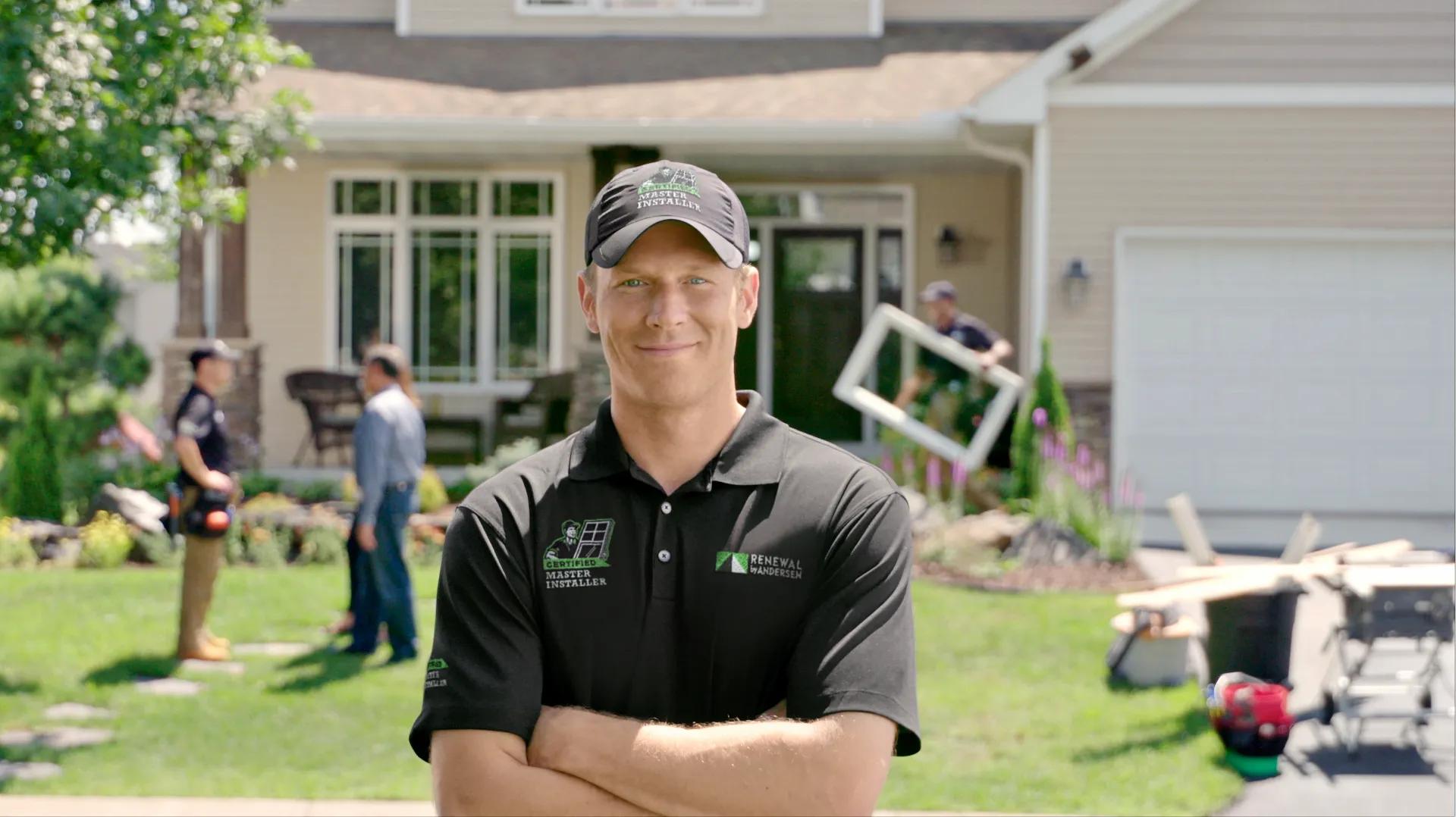
When it’s time to replace your home’s windows, the initial cost is often a primary focus. However, viewing window replacement as a long-term investment rather than a short-term expense reveals a more complete financial picture. For homeowners across the diverse climates of Arizona, Colorado, Texas, and the Northeast, investing in higher-quality replacement windows delivers a significant return through four distinct pathways: substantial energy savings, extended product lifespan, increased home resale value, and dramatically reduced maintenance costs. A comprehensive analysis shows that premium windows are not just an upgrade for your home’s comfort and appearance—they are a sound financial strategy that pays dividends for years to come.
How much money do energy-efficient windows save per year?
Replacing old, inefficient windows with high-performance, ENERGY STAR® certified models can save you hundreds of dollars annually on heating and cooling costs. While national averages from the EPA suggest savings between $101 and $583 per year when replacing single-pane windows, homeowners in the varied climates from Phoenix to Portland, ME, often see savings that are highly specific to their region.
In extreme heat markets like Phoenix, Scottsdale, and Las Vegas, the savings are particularly pronounced. Homeowners report reducing their energy bills by up to 30%, which can translate to an estimated $400-$600 in annual savings.¹ This is because high-quality windows with advanced Low-E glass coatings are designed to block the sun's intense infrared rays, keeping your home cooler and reducing the strain on your AC system.
Conversely, in heating-dominant regions like Denver and New England, the same technology works in reverse, reflecting heat back into your home during the winter. In coastal areas, the key to energy savings is durability; superior seals prevent air leaks that compromise efficiency over time.
How long do replacement windows last?
The lifespan of your replacement windows directly impacts your long-term costs. While many common window materials last 8-12 years, Renewal by Andersen® products offer a warranty of 20 years with continual durability studies on the longevity of this product. So far, the potential life span keeps increasing because of the effectiveness of this material. This significantly extends the replacement interval, allowing you to avoid the cost and disruption of a second replacement project down the road.
This longevity advantage is especially valuable in regions with harsh environmental stressors:
- Freeze-Thaw Regions (Colorado & Connecticut): High-quality Fibrex® material is a composite that resists the constant stress of temperature swings that causes other materials to become brittle and fail.
- Coastal Markets (Rhode Island & Cape Cod): Salt air aggressively degrades standard seals. Budget windows may fail in as little as 7-10 years, while windows engineered with marine-grade materials can last for decades.
How much home value do new windows add?
A window replacement project is one of the smartest home improvements you can make for boosting resale value. According to Remodeling Magazine's Cost vs. Value Report, homeowners can expect to recoup 60-70% of their investment upon selling.
Beyond looks, high-performance windows are a major selling point. Homes with ENERGY STAR® certified windows have been found to sell 8-12% faster than comparable homes with older windows. In coastal communities or energy-conscious desert markets, the ROI on premium, corrosion-resistant, or high-efficiency windows can be even higher.
Are expensive windows worth the cost?
Yes, when you consider the complete return on investment. While premium windows may have a higher upfront price, they are often less expensive over the life of your home due to:
- Reduced Energy Bills: Immediate and ongoing savings that accumulate to thousands of dollars.
- Avoided Replacement Costs: By choosing a window that outlasts budget options, you eliminate the expense of a future replacement project.
- Increased Home Value: Recouping a significant percentage of the investment at resale.
- Minimized Maintenance: High-quality Fibrex® material is a composite that resists rotting, cracking, and peeling. In challenging climates like coastal Connecticut or high-altitude Denver, this can amount to thousands in avoided maintenance expenses compared to the 8-12 year lifespan of lower-quality alternatives.
What windows are best for extreme heat, coastal, or high-altitude climates?
Choosing the right window for your specific climate is crucial to maximizing your investment:
- For Extreme Heat (Phoenix, Dallas, San Antonio): A composite like Fibrex® material is essential because it is engineered for thermal stability and resists the warping and sagging that occurs in other materials under intense heat.
- For Coastal Regions (Cape Cod, Rhode Island, Portland, ME): Durability against corrosion is key. Materials that resist salt air and humidity ensure hardware maintains integrity for decades.
- For High-Altitude Climates (Denver, Boulder, Flagstaff): Windows must withstand intense UV exposure. Premium materials with integrated UV-resistant coatings prevent fading and degradation.
The Smarter Investment for Your Home
Investing in high-quality replacement windows is a strategic decision that saves you money from day one and continues to provide a return for decades. Through lower energy bills, superior longevity, higher resale value, and minimal maintenance, premium windows prove their worth over the entire life of your home.
To understand the specific financial benefits for your home, schedule a free, in-home consultation with a Renewal by Andersen Project Consultant today.
Footnotes ¹ [Source: Homeowner-reported savings data in high-heat climate zones; actual energy reductions depend on home insulation, local utility rates, and usage patterns.]
Schedule a Consultation