
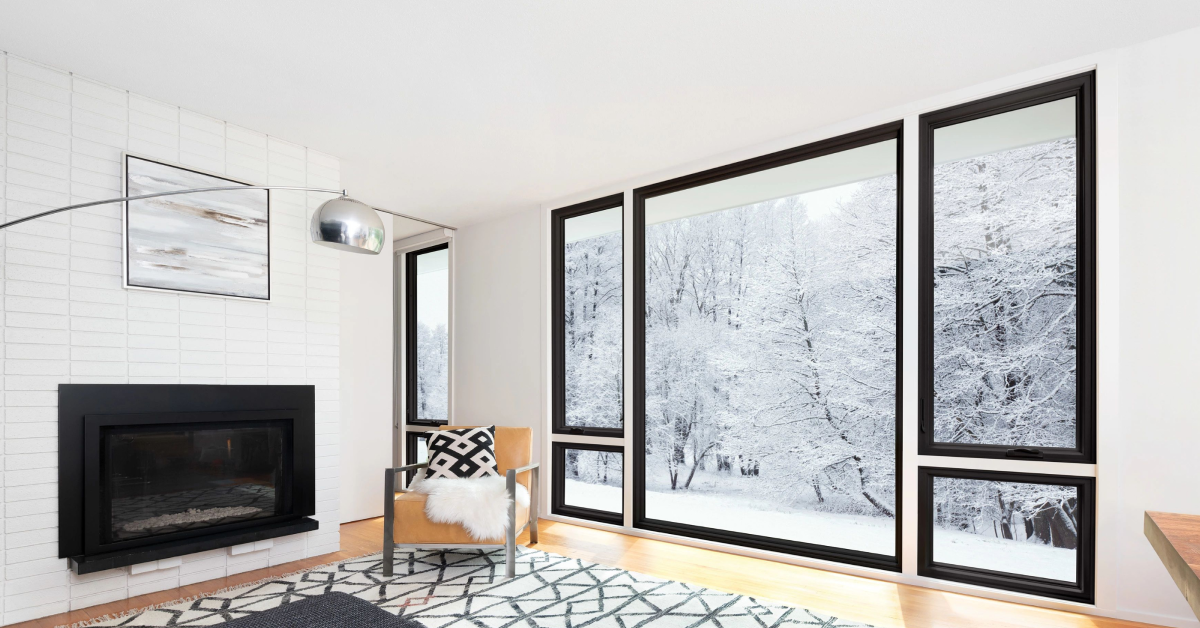
Floor-to-ceiling windows represent one of the most dramatic architectural upgrades available to a homeowner. These expansive glass installations do more than just modernize a façade; they fundamentally change how you experience your living space. By blurring the line between indoors and out, they create an immediate sense of openness and flood interiors with natural light.
For homeowners, the appeal of these windows is universal, but the execution must be local. Integrating such a significant architectural feature requires more than just a love for the aesthetic; it demands a deep understanding of your specific regional climate, structural needs, and energy goals.
Whether you are looking to frame a desert sunset in Scottsdale or capture a wooded view in the White Mountains of New Hampshire, successful floor-to-ceiling window replacement relies on a balance of beauty and performance. This guide explores how to maximize the impact of these windows while ensuring they stand up to the unique demands of your local environment.
Designing for Light, Views, and Regional Comfort
The primary allure of floor-to-ceiling windows is their ability to capture light and visual continuity. In varied markets like ours, "maximizing natural light" takes on different meanings depending on your latitude and landscape.
Managing Light in Sun-Intense Regions
In "Hot/Arid Southwest" markets like Phoenix, Tucson, and Las Vegas, or the "Texas Triangle" cities of Austin and San Antonio, introducing vast amounts of glass must be done strategically. While you want the psychological benefits of a bright, airy home, you do not want the accompanying solar heat gain.
- The Solution: Renewal by Andersen’s High-Performance™ Low-E4® SmartSun™ glass is critical here. It blocks 95% of harmful UV rays that fade furniture while significantly reducing heat transfer. This allows you to enjoy the expansive desert views without turning your living room into a greenhouse.
Maximizing Light in Northern Climates
Conversely, in "New England & Northeast" markets like Portland, ME, and Philadelphia, PA, or "Rocky Mountain" areas like Denver and Colorado Springs, maximizing solar heat gain during the winter can be a benefit.
- The Solution: Here, the goal is to capture the warmth of the winter sun while insulating against the cold. Floor-to-ceiling windows act as a passive heat source during the day, provided they are engineered with the right thermal breaks and multi-pane insulation to retain that heat once the sun sets.
Architectural Integrity and Climate Resilience
Installing floor-to-ceiling windows is a major structural alteration. Unlike replacing a standard double-hung window, these installations often involve modifying load-bearing walls. This reality makes the "consultative approach" of Renewal by Andersen essential.
Structural Strength in Extreme Weather
- Mountain and Plains: In areas like Oklahoma City, Tulsa, and the Colorado Front Range (Boulder, Fort Collins), homes face drastic temperature swings and severe weather events, including hail and high winds. Large glass panels must be structurally sound enough to resist wind loads and impact.
- Coastal Resilience: For homes in Cape Cod, MA, Rhode Island, and South Jersey, salt spray and coastal storms create a harsh environment for building materials. Aluminum can pit and corrode; vinyl can become brittle.
- The Fibrex® Advantage: This is where Renewal by Andersen’s exclusive Fibrex® material shines. A composite of wood fiber and thermoplastic polymer, Fibrex® material offers the strength of wood (vital for holding large panes of glass rigid against the wind) but resists the rot, decay, and corrosion that plague other materials in humid or coastal environments. It effectively bridges the gap between the aesthetic desire for narrow frames and the practical need for heavy-duty performance.
Privacy and Functionality in Varied Settings
While the goal is often to bring the outdoors in, the reality of where that "outdoors" is located dictates the design.
- Urban Privacy: In dense, historic urban centers like Philadelphia, PA, or Hartford, CT, floor-to-ceiling windows can feel exposed. Here, design consultants might recommend "bottom-up" window treatments or placing these expansive units on rear facades to maintain privacy while still opening up the home.
- Scenic Seclusion: In markets like Durango, CO, or Flagstaff, AZ, where homes may be perched on hillsides with private views, the glass can remain unobstructed to fully embrace the landscape.
- Indoor-Outdoor Living: In moderate climates or homes with patios—common in San Antonio and West Texas—pairing floor-to-ceiling fixed windows with matching gliding or hinged patio doors creates a seamless flow for entertaining, effectively doubling your living space during comfortable seasons.
The Critical Role of Professional Installation
Perhaps no home improvement project relies more heavily on installation expertise than floor-to-ceiling windows. The margin for error is nonexistent; a small gap in a standard window is a nuisance, but in a wall-of-glass installation, it can be a structural or thermal disaster.
Renewal by Andersen employs Certified Master Installers who are specifically trained to handle the complexities of large-format glass.
- Precision and Sealing: In wet climates like Portland, ME, or humid ones like Arkansas, proper flashing and sealing are the only defense against water intrusion and mold.
- Thermal Expansion: In the desert southwest (Lake Havasu, Phoenix), materials expand and contract violently with daily temperature swings. Our installation process accounts for this movement to prevent seal failure and glass breakage over time.
- Structural Support: Our teams assess headers and framing to ensuring your home’s structural integrity is maintained even when replacing solid walls with transparent glass.
This comprehensive "Signature Service" means one company is accountable for the measurement, manufacturing, and installation, giving you absolute peace of mind that your investment is protected.
Frequently Asked Questions
Q: Are floor-to-ceiling windows energy efficient enough for extreme climates like Arizona or Maine?
A: Yes, but only if they utilize the correct technology. Renewal by Andersen uses High-Performance™ Low-E4® glass packages that are specifically tailored to regional needs—reflecting heat in Arizona while retaining it in Maine. Combined with the thermal insulating properties of Fibrex® material frames, these windows are designed to be energy efficient in any climate.
Q: Will floor-to-ceiling windows require extra maintenance in coastal areas like Rhode Island or Cape Cod?
A: Traditional wood or aluminum windows often require frequent painting or treating to survive salt air. However, Renewal by Andersen’s Fibrex® material frames are resistant to rot, decay, and corrosion, meaning they require minimal maintenance to keep them looking and performing like new, even in harsh coastal environments.
Q: Can I install floor-to-ceiling windows if I have an older, historic home in Philadelphia or Connecticut?
A: Absolutely. While structural modifications may be necessary, our design consultants specialize in blending modern performance with traditional aesthetics. We can configure grille patterns and frame colors to respect the historic character of your home while providing modern views and efficiency.
Q: What happens if the glass breaks?
A: Renewal by Andersen offers one of the strongest limited warranties in the industry. Our warranty covers the glass, the frame, and—crucially—the installation. Because we are a full-service provider, you have one point of contact for any service needs.
Conclusion
Floor-to-ceiling windows offer a transformative living experience, merging the comfort of the indoors with the beauty of your surroundings. However, the success of such a project hinges on choosing the right partner who understands not just windows, but your local environment.
From the dry heat of West Texas to the snowy peaks of the Colorado Rockies and the salty air of the Atlantic coast, Renewal by Andersen provides the local expertise, advanced Fibrex® material technology, and proven installation process necessary to make your vision a lasting reality. By balancing aesthetic goals with practical, climate-specific performance, we ensure your home remains beautiful, comfortable, and efficient for years to come.
Schedule a Consultation