
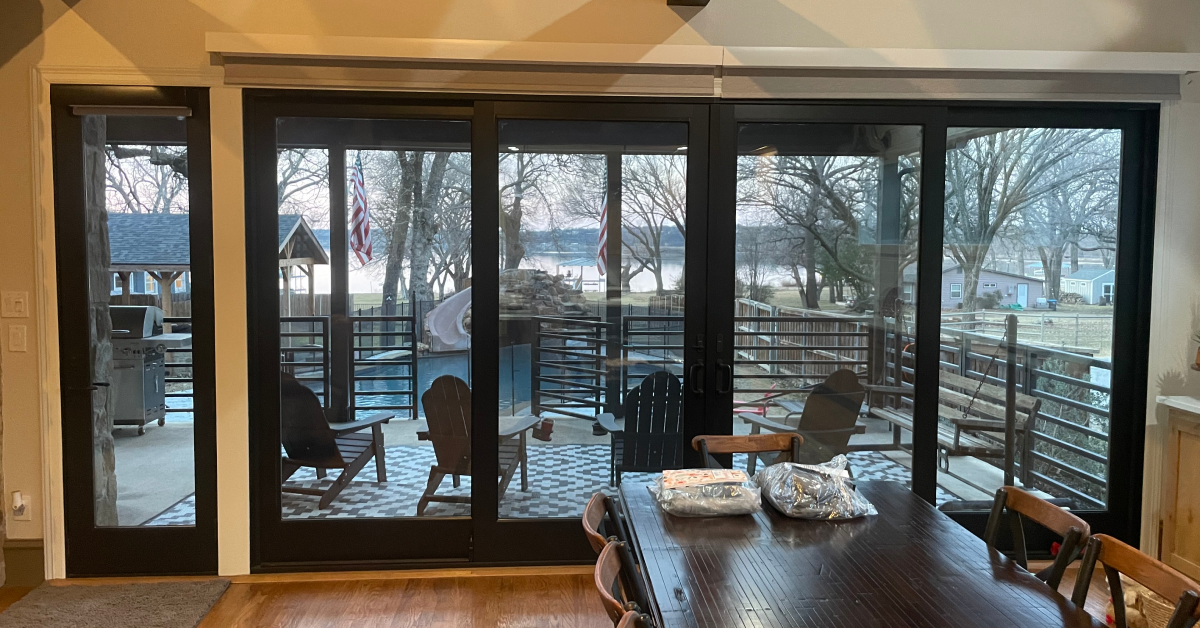
When it comes to your home's comfort, energy efficiency, and long-term value, few elements face more direct environmental challenges than your doors and windows. These crucial components of your home's envelope are constantly exposed to nature's elements, from scorching sun to freezing temperatures, driving rain to howling winds.
How Weather Affects Your Doors and Windows
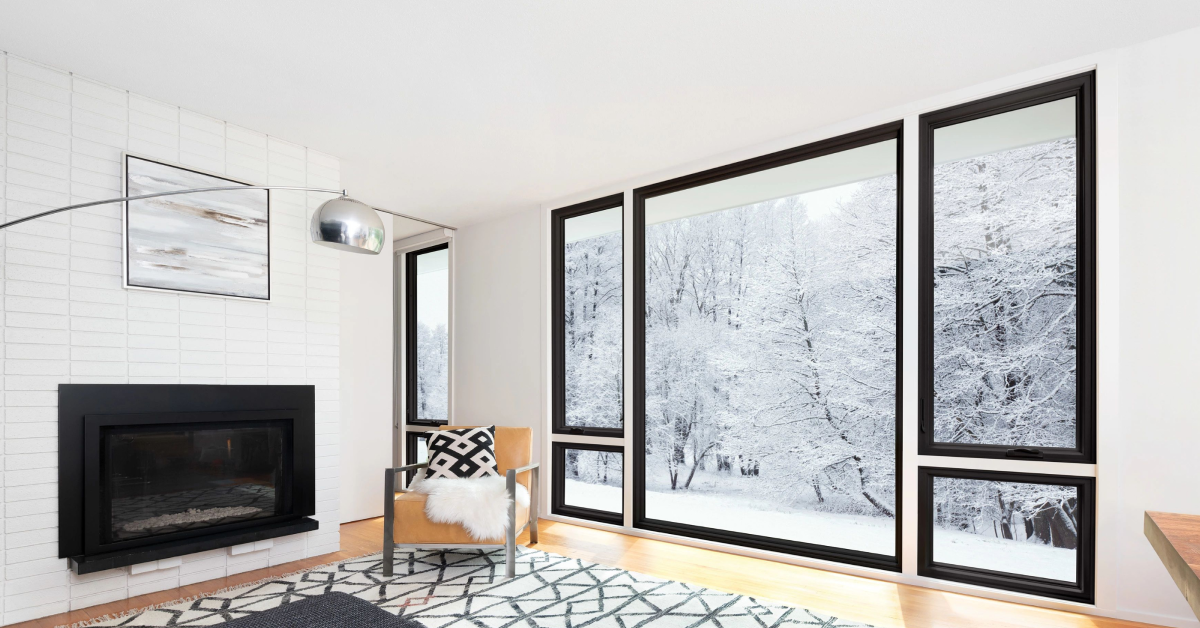
Temperature Fluctuations
Extreme temperature changes can significantly impact door and window performance. Materials expand in heat and contract in cold, which can lead to:
- Warping or bowing of frames
- Gaps that allow air infiltration
- Difficulty opening or closing
- Stress on the glass that may lead to seal failures
Quality doors and windows are designed with these temperature fluctuations in mind, using materials that maintain stability across seasonal changes. Composite materials like Fibrex® offer exceptional thermal stability, maintaining their shape and function regardless of temperature extremes.
Moisture and Precipitation
Rain, snow, and humidity present ongoing challenges to window and door integrity:
- Water infiltration can damage surrounding walls and finishes
- Moisture trapped in frames can lead to rot, mold, or mildew
- Repeated freeze-thaw cycles can create cracks and deterioration
- Humidity can cause swelling in certain materials
Modern window and door designs incorporate sophisticated water management systems, including weep holes, drainage channels, and weather-resistant materials to direct water away from the home.
UV Radiation
Sunlight, particularly UV rays, can cause significant damage over time:
- Fading of interior furnishings, flooring, and artwork
- Deterioration of window frame materials, especially vinyl and wood
- Breakdown of seals and weatherstripping
- Increased heat gain, affecting energy efficiency
High-performance glass options with Low-E coatings can block harmful UV rays while still allowing natural light to enter your home, protecting both your interior furnishings and the window components themselves.
Wind and Air Pressure
Strong winds create pressure differentials that test the structural integrity of doors and windows:
- Air leakage around frames and sashes
- Rattling or whistling sounds
- Stress on hardware and locking mechanisms
- Potential for glass breakage in extreme conditions
Professional installation ensures that windows and doors are properly anchored to withstand these pressures, while quality weatherstripping and proper design help maintain a tight seal even during high winds.
Signs Weather is Damaging Your Doors and Windows
Be alert to these warning signs that indicate weather-related deterioration:
- Drafts or air leakage around frames
- Condensation between glass panes (failed seals)
- Visible warping, rotting, or deterioration of frames
- Difficulty operating windows or doors
- Increased energy bills
- Water stains on walls near windows or doors
- Fading of interior furnishings near windows
Choosing Weather-Resistant Doors and Windows
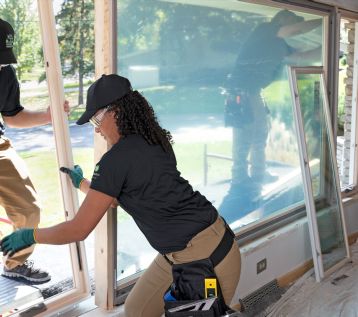
When selecting replacement doors and windows, consider these factors for maximum weather resistance:
Frame Materials
Different materials offer varying levels of weather resistance:
- Wood: Traditional and beautiful, but requires regular maintenance to protect against moisture and UV damage
- Vinyl: Low maintenance, but can warp in extreme temperatures and deteriorate from UV exposure over time
- Aluminum: Resistant to moisture but conducts heat and cold, creating energy efficiency challenges
- Fiberglass: Excellent stability and weather resistance, but can be more expensive
- Composite materials: Engineered to combine the best properties of various materials, offering superior weather resistance and durability
Renewal by Andersen's exclusive Fibrex® composite material, for example, combines the strength and insulating properties of wood with the low-maintenance features of vinyl, creating exceptional resistance to weather extremes.
Glass Technology
Advanced glass options significantly improve weather performance:
- Multiple panes: Double or triple glazing creates insulating air spaces
- Gas fills: Argon or krypton between panes improves insulation
- Warm-edge spacers: Reduce heat transfer around glass edges
- Tempered or laminated glass: Provides additional strength for extreme weather conditions
Professional Installation
Even the highest quality doors and windows will fail to perform if improperly installed:
- Precise measurements ensure proper fit
- Correct flashing and sealing prevent water infiltration
- Proper insulation around frames eliminates thermal bridges
- Adjustment of hardware ensures smooth operation
- Expert installation addresses the unique structural considerations of each opening
Professional installers understand how to prepare openings properly, ensuring that your new doors and windows will perform as designed for years to come.
Protecting Existing Doors and Windows
If replacement isn't immediately in your plans, consider these steps to protect your current doors and windows:
- Regularly inspect and replace weatherstripping and seals
- Clean tracks and moving parts to ensure proper operation
- Apply UV-protective films to reduce sun damage
- If you feel you need to install storm windows, this may be a sign of window failure or poor efficiency
- Address small issues before they become major problems
- Schedule professional maintenance to extend lifespan; however, this is an added cost of not replacing windows over time
Long-Term Value of Weather-Resistant Doors and Windows
Investing in quality doors and windows that can withstand weather challenges provides significant long-term benefits:
- Energy savings: Weather-resistant windows and doors maintain their sealing properties, reducing heating and cooling costs
- Reduced maintenance: High-quality materials require less upkeep over time
- Enhanced comfort: Elimination of drafts and temperature variations creates a more comfortable living environment
- Home protection: Preventing water infiltration protects your home's structure from costly damage
- Increased home value: Durable, energy-efficient doors and windows are a selling point for potential buyers
The Consultation Advantage

Understanding how the weather affects doors and windows in your specific climate and home orientation requires expertise. Professional consultations provide valuable insights:
- Assessment of current window and door performance
- Identification of specific weather-related challenges for your home
- Recommendations tailored to your climate conditions
- Explanation of appropriate materials and technologies
- Custom solutions for unique architectural features
Conclusion
Your doors and windows face constant exposure to weather elements, making their material quality, construction, and installation crucial to long-term performance. By understanding how weather impacts these important components of your home, you can make informed decisions about maintenance, protection, and eventual replacement.
When considering replacement options, focus on materials engineered to withstand your local climate conditions, advanced glass technologies that provide energy efficiency, and professional installation that ensures proper performance. This approach will help protect your home from weather-related challenges while enhancing comfort, energy efficiency, and value for years to come.
Schedule a Consultation