
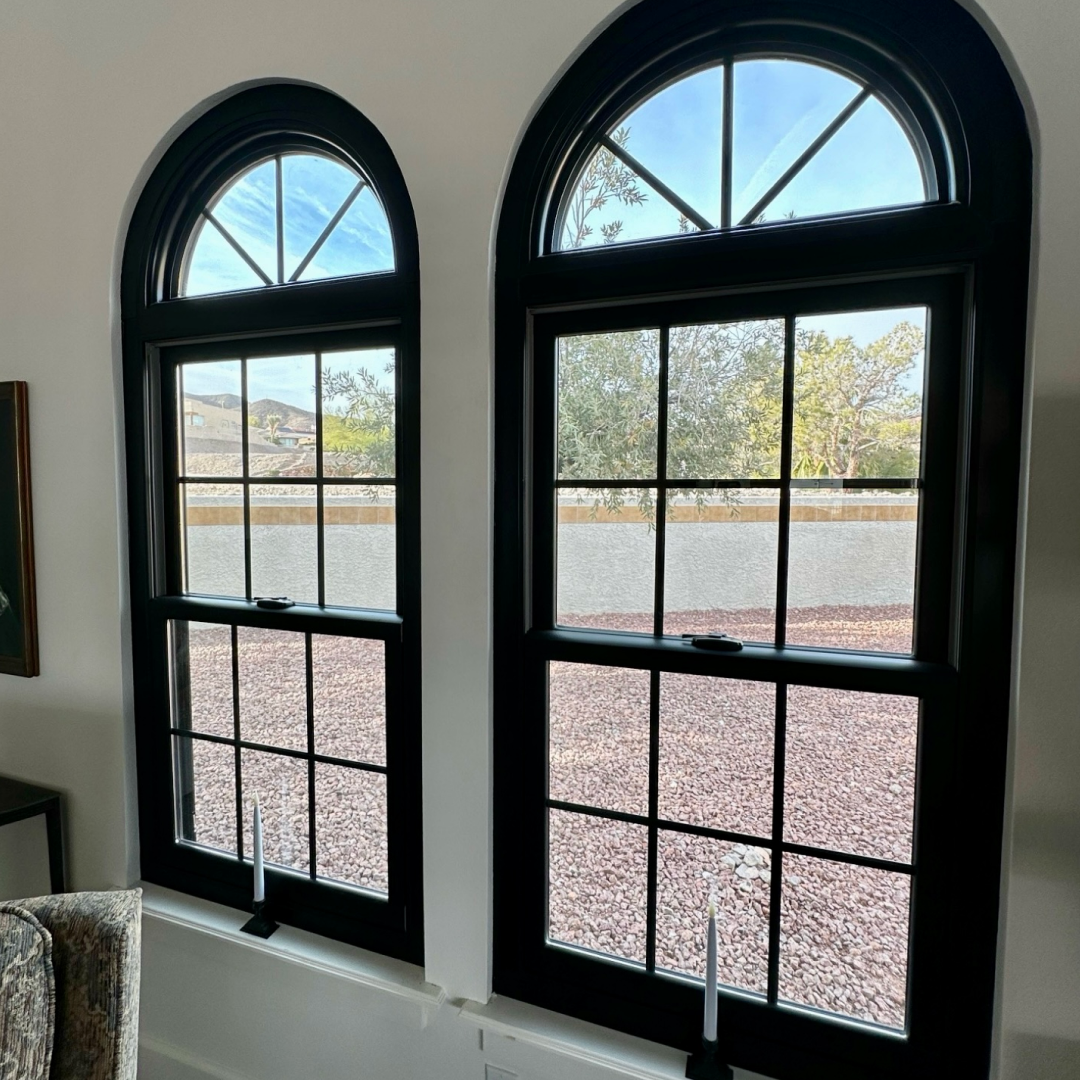
Windows are the eyes of your home, defining its character, curb appeal, and connection to the outdoors. One of the most critical architectural features that determines a window's style is the use of "divided lights"—the grid-like patterns that separate, or appear to separate, the glass into smaller panes. For homeowners across our diverse service areas—from the historic colonials of New England and Philadelphia to the modern farmhouses of Texas and the prairie-style homes of Colorado—understanding divided lights is essential when planning a window replacement project.
While original single-pane windows with true divided lights offer historic charm, they often lack the energy efficiency required for modern living, especially in the extreme climates of Arizona, Maine, or the Rocky Mountains. Fortunately, modern replacement windows allow you to preserve that authentic architectural look without sacrificing comfort or performance.
Schedule a free consultation for your window or door replacement
FREE CONSULTATIONThe Historical Significance and Evolution of Divided Light Windows
The concept of divided lights originated not as a stylistic choice, but as a manufacturing necessity. In the Romanesque era and through the 18th century, glassmakers could only produce small panes of glass. To create a window large enough to let in light and view, glaziers used "muntins"—strips of wood or metal—to join these small panes together. This construction method is known as True Divided Lite (TDL).
As glass manufacturing technology advanced during the Industrial Revolution, it became possible to create large, single sheets of glass. While this allowed for unobstructed views, architects and homeowners quickly realized that the visual rhythm created by divided lights was a crucial element of many architectural styles. Today, in replacement projects, we replicate these classic looks to maintain the integrity of your home’s design while utilizing advanced insulated glass units.

Which Divided Light Type Is Right for Your Replacement Project?
When replacing your windows, you generally have three categories of divided light construction to choose from. Understanding the difference is key to balancing aesthetics, maintenance, and budget.
1. True Divided Lite (TDL)
This is the traditional method where individual panes of glass are separated by actual muntin bars.
- Pros: 100% historically accurate.
- Cons: In modern applications, TDL is difficult to seal and insulate effectively. It is often prohibitively expensive and requires more maintenance, as each individual pane has its own seal that can fail. It is rarely used in modern replacement projects unless strictly mandated by specific historic preservation codes.
2. Full Divided Lite (FDL)
This is the preferred choice for most homeowners seeking architectural authenticity combined with modern performance. In an SDL window, a single, energy-efficient insulated glass unit is used. Grilles are applied permanently to both the interior and exterior surfaces of the glass, with a spacer bar between the glass panes to create the illusion of separate lights.
- Pros: indistinguishable from TDL from a distance; offers superior energy efficiency; lower risk of seal failure.
- Cons: Exterior grilles require cleaning around the bars (though less than TDL).
3. Grilles-Between-the-Glass (GBG)
In this configuration, the grille bars are placed inside the sealed airspace between the glass panes. The interior and exterior glass surfaces remain smooth.
- Pros: The ultimate low-maintenance option—easy to clean with no obstructions.
- Cons: Lacks the architectural depth and shadow lines of SDL or TDL, resulting in a "flatter" appearance.
Summary of Considerations:
- For Historic Charm: Choose Full Divided Lite (FDL).
- For Ease of Cleaning: Choose Grilles-Between-the-Glass (GBG).
- For Strict Historic Compliance: Consult with your local preservation board, as requirements vary from Philadelphia to Tucson.

How Do I Match Grille Patterns to My Home's Architectural Style?
Selecting the right grille pattern is vital for maintaining your home's curb appeal. Different regions and architectural eras favor specific layouts:
- Colonial Style: Prevalent in our New England, Southern Maine, and Greater Philadelphia markets, this style typically features a symmetrical grid pattern (often 6-over-6 or 9-over-9) that divides the window into equal square or rectangular lites.
- Prairie Style: Popular in Colorado and parts of Texas, this pattern features longer horizontal and vertical lines along the perimeter, leaving a large open center. It frames the view—perfect for mountain vistas—while adding architectural interest.
- Farmhouse & Modern: In Texas (Austin, Dallas, San Antonio) and Arizona, the modern farmhouse trend often utilizes a simple "two-over-two" pattern or a vertical split. Conversely, many contemporary homes in these regions opt for gridless windows to maximize natural light and blur the line between indoor and outdoor living.
- Craftsman: Common in bungalows across the country, this style often features grilles only on the top sash of a double-hung window, leaving the bottom sash clear for unobstructed views.
Do Window Grilles Affect Energy Efficiency in Extreme Climates?
A common question from homeowners in Phoenix's extreme heat or Maine's freezing winters is whether divided lights impact energy bills.
The short answer is: The grille pattern itself has a negligible impact on energy efficiency.
The performance of your replacement window is determined by the glass package and the frame material, not the decorative grilles.
- In the Southwest (AZ, NV, TX): The priority is the Solar Heat Gain Coefficient (SHGC). You need glass that blocks solar heat, like our SmartSun™ glass, regardless of whether you choose a Colonial grid or no grid at all.
- In the North and Northeast (ME, MA, RI, CT, PA): The priority is the U-Factor (insulation). High Performance, Low-E4® Smart Sun™ glass or specific Low-E coatings help retain heat during cold winters.
Whether you choose FDL or GBG, the underlying insulated glass unit does the heavy lifting. Furthermore, our exclusive Fibrex® material ensures that the frames remain stable and durable, resisting the expansion and contraction that can plague vinyl windows in the high-altitude temperature swings of Colorado or the searing heat of Arizona.
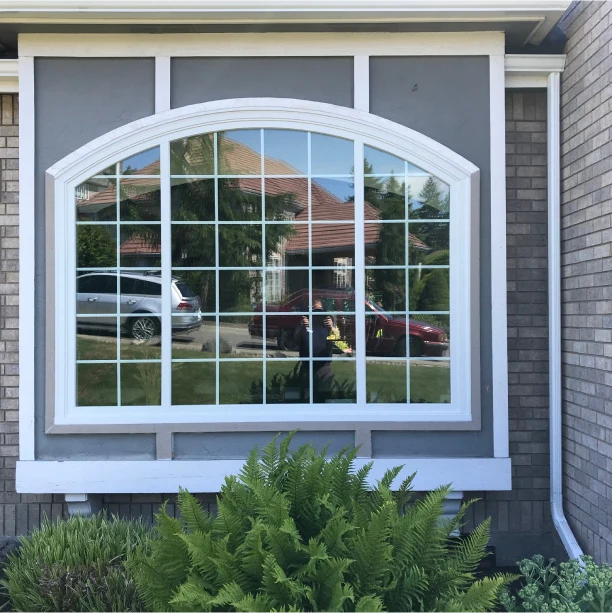
Can Replacement Windows Meet Historic Preservation Requirements?
For homeowners in designated historic districts—such as those in Philadelphia, Denver, or Tucson—replacing windows involves navigating strict regulations. Preservation boards often require that replacement windows match the original sightlines, profiles, and divided light patterns of the historic units.
In these scenarios, vinyl windows are rarely approved due to their bulky frames and artificial look. However, Renewal by Andersen’s composite Fibrex® material can often mimic the profiles of original wood windows while offering modern durability. We frequently work with local historical commissions to design Full Divided Lite (FDL) solutions that satisfy preservation guidelines, ensuring your home retains its historic designation while finally keeping out the draft and noise.
Choosing the right divided lights for your window replacement project is about balancing the past with the present. Whether you are looking to honor the colonial heritage of a Connecticut home, frame a view of the Rockies in Boulder, or update a mid-century modern home in Austin, there is a grille pattern and construction method to match.
You do not have to choose between the authentic look you love and the energy efficiency you need. By selecting the right combination of style and high-performance glass, you can enhance your home's beauty and comfort simultaneously.
Ready to find the perfect match for your home? Schedule a free consultation with your local Renewal by Andersen team today to explore our wide range of divided light options.
Schedule a Consultation